In a world filled with glowing screens and endless digital distractions, fostering a love for reading in children can feel like a challenge. But building a strong foundation for literacy doesn't require fancy apps or electronic gadgets. In fact, some of the most effective strategies are wonderfully simple and screen-free.
This post contains affiliate links. We may earn a small commission at no extra cost to you. Quick answer: The best way to raise a reader without screens is to make reading a joyful, integrated part of daily family life. This includes reading aloud every day, creating a dedicated cozy reading space, letting kids choose their own books, and leading by example by reading your own books. These habits build positive associations with reading that last a lifetime.Ready to turn the page? Here are seven practical, screen-free ways to help your child fall in love with the magic of books.
1. Read Aloud Every Single Day
This is the golden rule for a reason. Reading aloud to your child—from infancy through the elementary years—is the single most important thing you can do to build their literacy skills. It expands their vocabulary, improves their listening skills, and shows them that reading is a warm, enjoyable activity associated with closeness and comfort. Don't worry about finishing a whole book; even 10-15 minutes a day makes a huge difference.
2. Create a Cozy Reading Nook
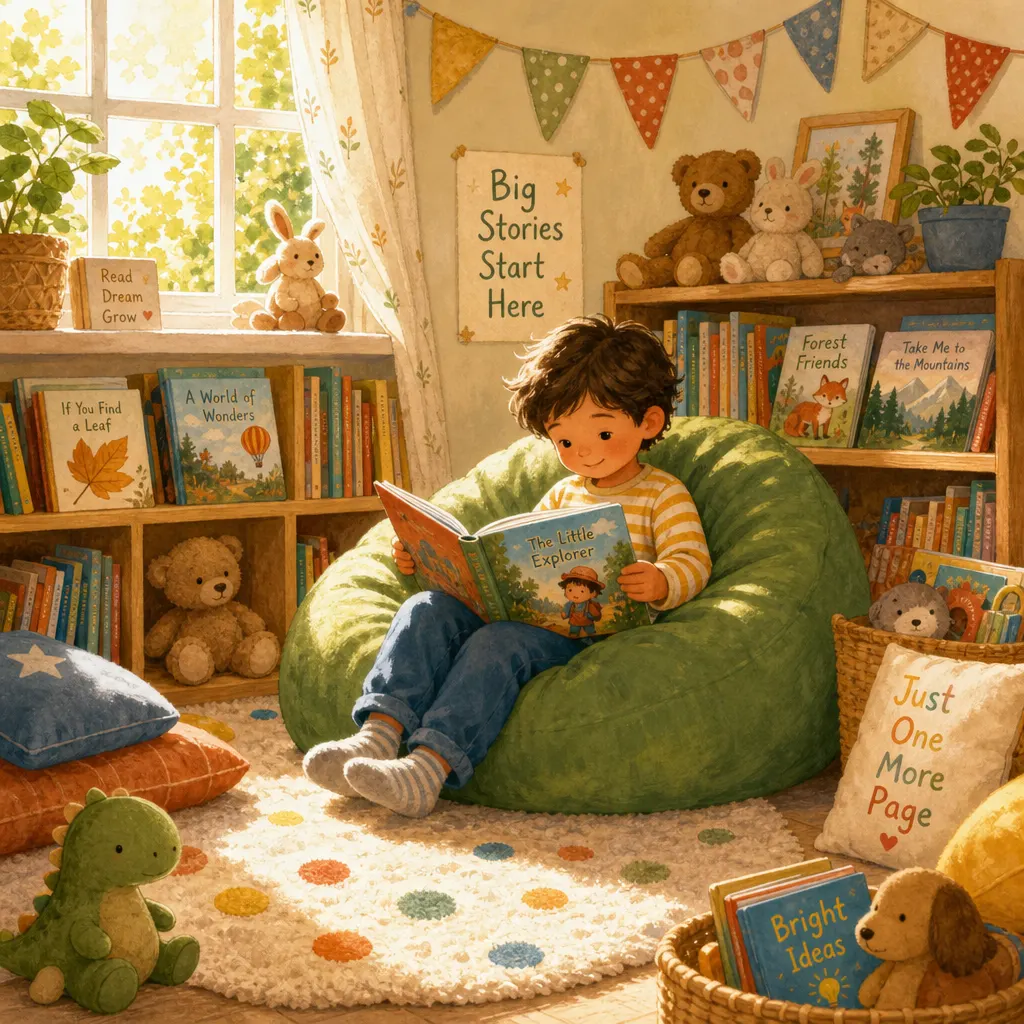
Make a special place in your home that is dedicated to books. It doesn’t have to be big or expensive. A comfy chair, a pile of pillows on the floor, or a small tent can become a magical reading nook. Stock it with a variety of age-appropriate books, and make sure the lighting is good. Having an inviting, dedicated space makes reading feel like a special treat, not a chore. You can even add a fun bookshelf for kids to make their book collection feel like their own little library.
3. Let Your Child Choose the Books
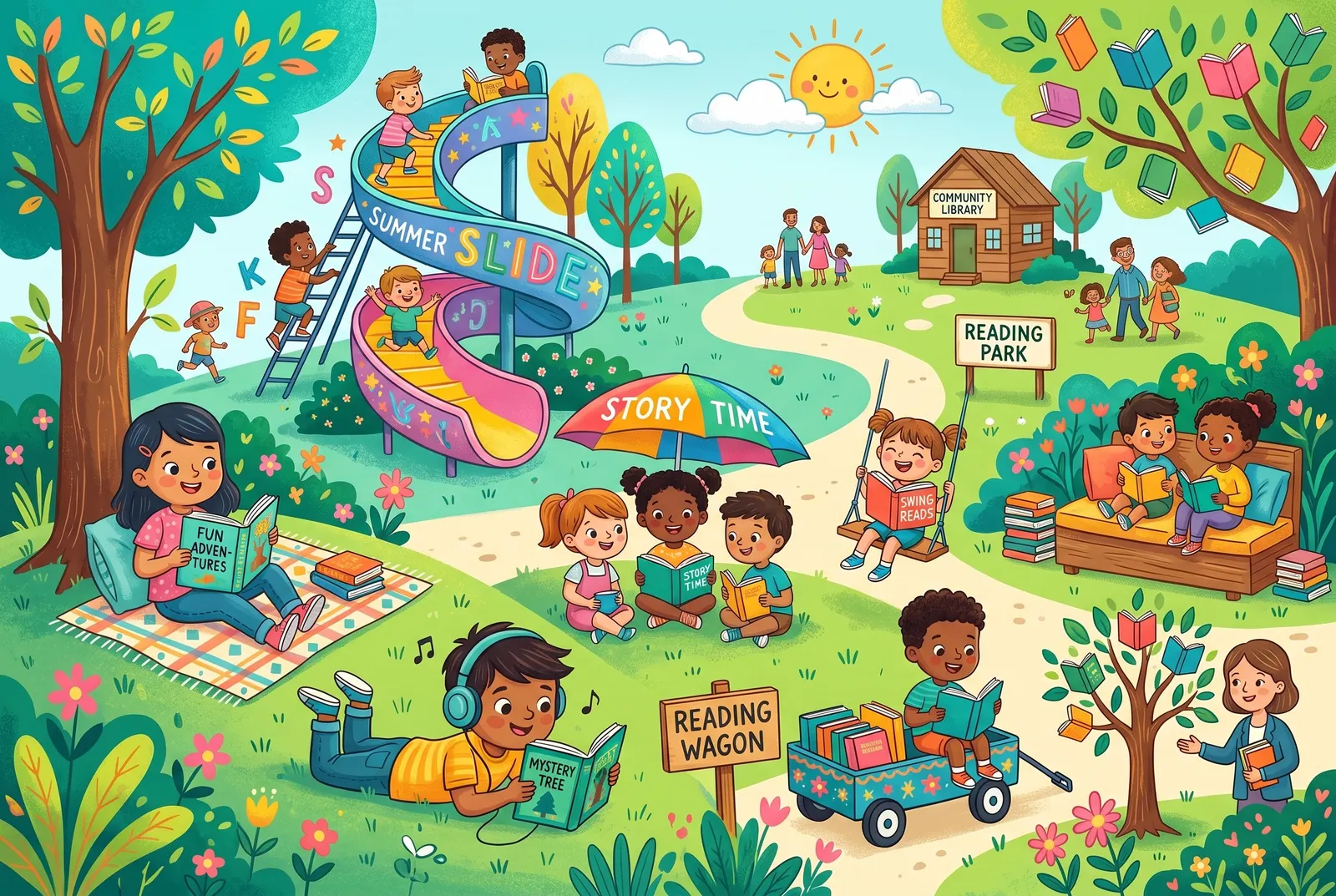
Empower your child by letting them pick the books they want to read. Regular trips to the local library are a fantastic, free way to do this. When kids have control over their reading material, they are far more engaged and motivated to read. It's okay if they choose the same book about dinosaurs twenty times in a row or gravitate towards graphic novels. All reading is good reading!
4. Be a Reading Role Model
Children learn by imitation. If they see you reading and enjoying books, they are much more likely to view reading as a valuable and pleasurable activity. Set aside time for your own reading where your child can see you. Talk about what you're reading in simple terms. Your actions send a powerful message: reading isn't just a school requirement; it's a lifelong source of entertainment and knowledge.
5. Bring Stories to Life
Make reading an interactive experience. Use funny voices for different characters, make sound effects, and ask questions as you read. "What do you think will happen next?" or "Why do you think the bear did that?" These questions build comprehension skills and keep kids engaged. For non-fiction books, connect the topics to the real world. If you read a book about bugs, go on a bug hunt in your backyard with a magnifying glass for kids.
6. Surround Them with Reading Material
Books shouldn't be the only thing your child sees you read. Make all kinds of print a part of their world. Read street signs, cereal boxes, recipes, and birthday cards aloud. This shows them that words are everywhere and they serve a practical purpose. This concept, known as "print awareness," is a fundamental pre-reading skill that organizations like Reading Rockets emphasize as crucial for early literacy.
7. Keep It Fun and Pressure-Free
The goal is to foster a love for reading, not to create a mini-scholar. Avoid turning reading time into a test or a battle of wills. If your child isn't in the mood, don't force it. Keep the experience positive and light. Celebrate their reading milestones, whether it's recognizing a new letter or finishing their first chapter book. Your enthusiasm is contagious!
For more ideas on early childhood development, check out our post on fun fine motor skill activities.
FAQ
H3: At what age should I start reading to my child?
You can start reading to your child from birth. Newborns benefit from the rhythm of your voice and the closeness. As they grow, they begin to engage with the pictures and the story. It's never too early to start!
H3: What if my child seems uninterested in books?
Try different types of books! Some kids prefer non-fiction, while others love fantasy, comics, or magazines. Also, consider the environment. A child who has trouble sitting still might enjoy an audiobook while they play with LEGOs. The key is to find what works for them.
H3: Should I correct my child when they make a mistake while reading aloud?
For emerging readers, it's often best to gently correct them or let small mistakes slide to keep their confidence up. If a mistake changes the meaning of the sentence, you can say, "Let's try that word again," in an encouraging tone. Focus on progress, not perfection. You can find more great tips on the PBS Kids for Parents website.
---