Your kid yells "TIGER!" when they see a big orange cat on a nature show. You correct them gently — "That's not a tiger, that's a lion!" — but here's what's actually happening in that moment: your child just practiced reading, vocabulary, memory, and critical thinking all at once.
Animal names are secret literacy superpowers, and they're one of the best ways to build reading confidence in young learners.
Why Animal Names Work So Well
1. They're High-Interest
Kids are naturally drawn to animals. A five-year-old might struggle to sound out the word "elephant" in a textbook but will happily spell out E-L-E-P-H-A-N-T when they realize it's their new favorite animal. Interest drives engagement, and engagement drives learning.
2. They Teach Phonics Patterns
Animal names are perfect phonics practice:
- Short vowels: cat, dog, fox, pig
- Blends: snake, frog, bear, zebra
- Digraphs: whale, shark, cheetah, dolphin
- Multi-syllable words: elephant, crocodile, butterfly, hippopotamus
Each animal name is a mini phonics lesson dressed up as fun.
3. They Build Confidence
When a kid learns the names of 5, 10, or 20 different animals, they see evidence of their own progress. They can spell words they couldn't spell last month. They recognize animal names in books, on signs, and on screens. That confidence transfers to reading other words, too.
4. They Connect to Multiple Senses
Learning animal names becomes richer when you add:
- Sounds: "What does a lion sound like?" (hearing and mimicking)
- Movements: Pretending to gallop like a horse or slither like a snake (kinesthetic learning)
- Appearance: Describing fur color, stripes, or antlers (visual learning)
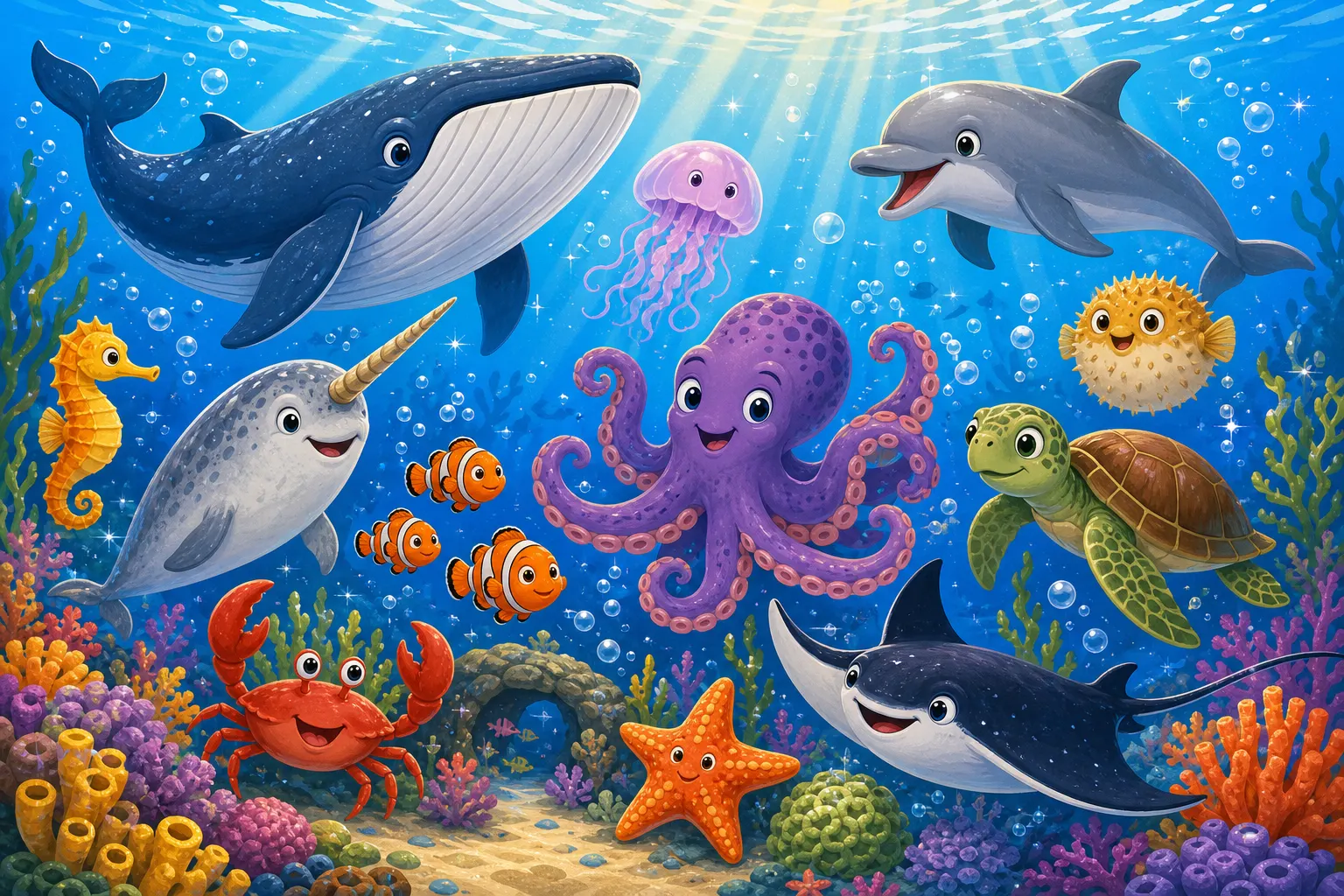
- Habitat: Jungle, forest, ocean, arctic (geography + vocabulary)
When information hits multiple senses, it sticks.
The Research Behind It
Studies on early literacy show that vocabulary size at age 3 predicts reading ability at age 10. Kids who learn more words earlier tend to become stronger readers. Animal names are a gateway — they're easy to learn, memorable, and endlessly expandable.
Plus, phonological awareness (recognizing sounds in words) is one of the strongest predictors of reading success. Rhyming animal names, chanting them, singing them, and spelling them all build phonological awareness.
Simple At-Home Practice Tips
You don't need fancy flashcards or apps (though they help!). Here are free, natural ways to practice:
1. Read Picture Books
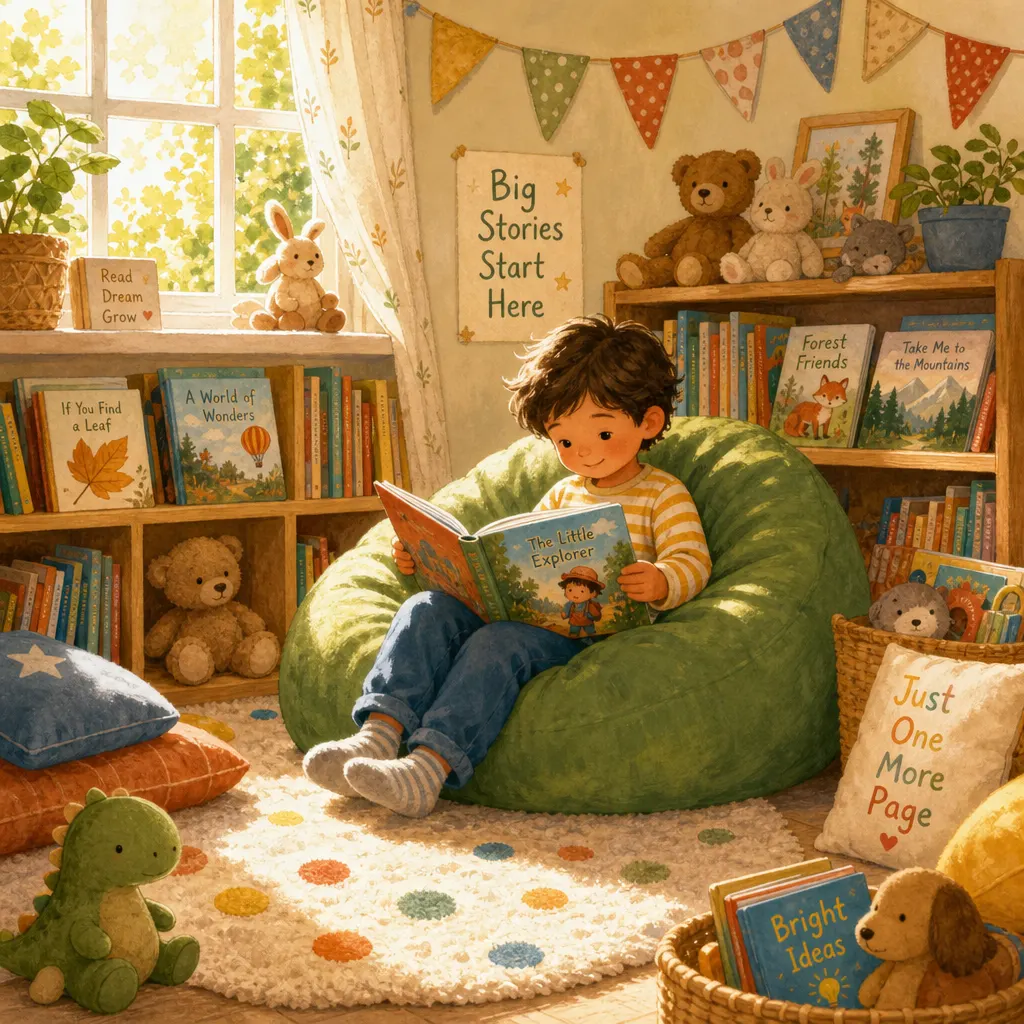
Pick stories with animals. As you read, pause and ask: "Can you say this animal's name?" or "What do you think this animal eats?"
2. Point and Name
On walks, at the zoo, or watching nature documentaries: Point and say the name together. "Look, that's a penguin!" Repetition is your friend.
3. Play Rhyming Games
"What rhymes with cat?" → hat, bat, fat, sat. Then try animal rhymes: "What rhymes with fox?" → box, socks, locks.
4. Act It Out
"Show me how a bear walks." "Can you roar like a tiger?" Embodied learning sticks better than passive watching.
5. Create Animal Sentences
Once your child knows a few animal names, try building simple sentences: "The tiger is orange." "The dolphin swims fast." This bridges vocabulary into reading comprehension.
6. Use Sing-Along Songs
"Old MacDonald," animal alphabet songs, or even silly made-up songs where you repeat animal names set to tunes your kid knows. Melody aids memory.
7. Build a Word Wall
Write down animals your child learns on colorful paper and stick them on a wall. Each week, review the list and add new ones. It's visual progress they can see and celebrate.
The DoodleStroodle Advantage
Apps like DoodleStroodle are designed exactly for this — they gamify animal vocabulary learning. When your child spells the word "elephant," hears it pronounced correctly, and sees a beautiful illustration, all three inputs reinforce the learning. Plus, the game itself makes it feel like play, not homework.
But here's the key: Apps work best as supplements, not replacements. The combo of app time + read-aloud time + real-world pointing and naming = maximum learning.
Small Wins Lead to Big Readers
Your kid doesn't need to learn all 26 animal names in one month. Learning 5 animal names deeply — spelling them, using them in sentences, learning facts about them, acting them out — is better than memorizing 50 superficially.
Start with animals your child loves. Go deep. Then add more. Watch the vocabulary explode. Notice when they start recognizing these words in books and other contexts. That's when you'll see the confidence boost.
That tiger your child misidentified as a lion? By next month, they'll not only know it's a tiger, they'll know it has stripes, they'll have learned to spell it, and they'll probably be able to tell you what tigers eat. That's literacy in action.
---
Ready to turn animal learning into reading confidence? Download DoodleStroodle on the App Store and start your child's animal vocabulary adventure today!