Summer is the perfect time to take the science lab outdoors! The sun is shining, school's out, and the backyard is calling. Instead of letting the summer slide sneak in, you can use the long, lazy days to spark your child's curiosity with experiments that are too big, bubbly, or messy for the kitchen.
This post contains affiliate links. We may earn a small commission at no extra cost to you. TL;DR / Quick Answer: The best summer science experiments use the sun and open space. Try building a solar oven from a pizza box to melt s'mores, create giant bubbles with a DIY bubble solution, or launch a bottle rocket with vinegar and baking soda. These activities are fun, educational, and perfect for a backyard adventure.These experiments aren't just about making a fun mess (though that's a big part of it!). They're about exploring concepts like solar energy, chemical reactions, and biology in a hands-on way that feels like pure play.
1. Build a Solar Oven from a Pizza Box
Harness the power of the sun to cook a tasty treat! This is a classic experiment that teaches kids about solar energy, heat absorption, and the greenhouse effect.
What You'll Need:
- A cardboard pizza box
- Aluminum foil
- Black construction paper
- Plastic wrap
- A stick or ruler to prop it open
- Tape and scissors
- S'mores ingredients (graham crackers, marshmallows, chocolate)
The Experiment:
Cut a flap in the lid of the pizza box, leaving one side attached. Line the inside of the flap with aluminum foil to act as a reflector. Cover the opening you just cut with plastic wrap, taping it securely to create a window. Line the bottom of the box with black paper to absorb heat. Place your s'mores inside, close the lid, and prop the foil-lined flap open to reflect sunlight into the box. In an hour or so, you'll have gooey, melted s'mores cooked by the sun!
2. Giant Unpoppable Bubbles
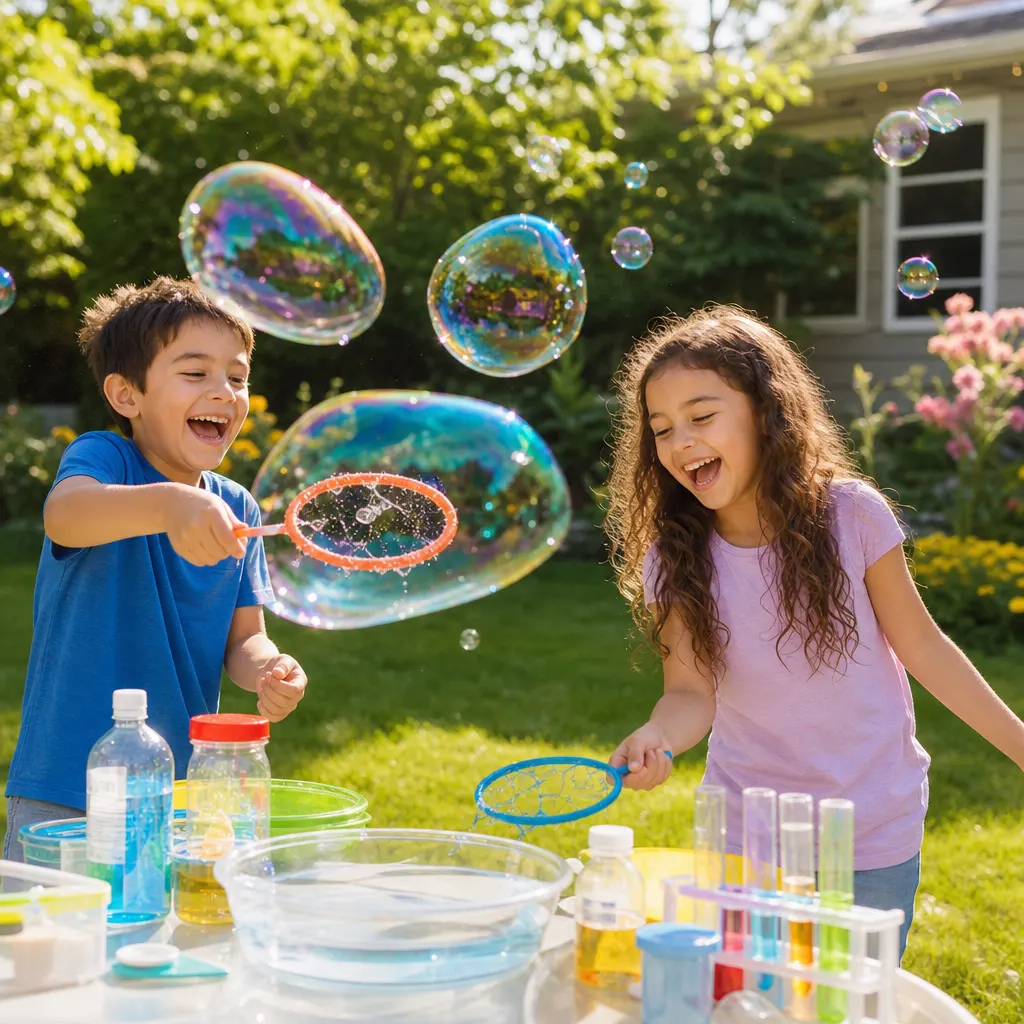
Who doesn't love bubbles? This recipe creates surprisingly strong and massive bubbles that will have the whole family chasing them around the yard.
What You'll Need:
- 6 cups of water
- 1/2 cup of dish soap (Dawn works well)
- 1/2 cup of cornstarch
- 1 tbsp of baking powder
- 1 tbsp of glycerin (found in pharmacy or craft aisles)
- A shallow tray or kiddie pool
- A giant bubble wand (you can make one with two sticks and a loop of yarn)
The Experiment:
In a large container, dissolve the cornstarch in the water, stirring gently. Stir in the rest of the ingredients, trying not to create too much froth. Let the solution sit for at least an hour—this is the secret to stronger bubbles! Pour it into your shallow tray, dip your giant wand, and slowly walk backward to create enormous, shimmering bubbles. For a ready-to-go option, you can find some great giant bubble kits online.
3. Exploding Baggie Reaction
This is a safe and exciting way to see a chemical reaction in action. The suspense of waiting for the "pop" is a huge part of the fun.
What You'll Need:
- A small zip-top baggie
- 1/4 cup of warm water
- 1/2 cup of vinegar
- 3 teaspoons of baking soda
- A paper towel
The Experiment:
Pour the water and vinegar into the baggie. Now, place the baking soda in the center of the paper towel and fold it into a small, neat packet. This will delay the reaction. When you're ready, drop the paper towel packet into the baggie, seal it quickly, put it on the ground, and step back! The bag will fill with carbon dioxide gas until it pops. It's a great lesson in cause and effect, similar to the one you can learn while cooking with kids.
4. Nature's Color Hunt & Chlorophyll Painting
Combine a nature walk and an art project with this beautiful experiment that reveals the hidden colors in leaves. It teaches kids about pigments and the science of chlorophyll.
What You'll Need:
- Various green leaves from your yard
- A piece of white cloth or heavy paper
- A spoon or a smooth, flat rock
The Experiment:
First, go on a color hunt and collect leaves of different shapes and shades of green. Arrange the leaves on one half of your cloth or paper, then fold the other half over them. Now, use the back of a spoon or your rock to firmly rub and smash the leaves through the fabric. When you open it up, you'll see the green chlorophyll has been transferred, creating a beautiful piece of natural art! The venerable Wikipedia has more on the science behind it.
5. Ice Cube Treasure Hunt
A perfect experiment for a scorching hot day. This one is all about states of matter, melting, and a little bit of playful engineering.
What You'll Need:
- A large container (a bucket or storage bin)
- Small plastic toys or "treasures"
- Water
- Kid-safe tools: salt, squirt bottles with warm water, small toy hammers
The Experiment:
Place the toys in the container, fill it with water, and freeze it overnight to create a giant block of ice with treasures trapped inside. The next day, take it outside and let the kids excavate! Give them the tools and let them discover what melts the ice fastest. They'll learn about melting and temperature in the most hands-on way possible. A good kids' tool set can make them feel like real archaeologists.
FAQ
H3: Are these summer experiments safe for toddlers?
With supervision, yes! For toddlers, focus on the sensory aspects. They'll love chasing the giant bubbles and excavating the ice block. The exploding baggie might be too startling, so use your judgment. Always supervise any activity involving small parts or chemical reactions.
H3: How can I tie these activities to learning?
Keep it simple. Ask open-ended questions like, "What do you think will happen?" or "Why did the ice melt faster with salt?" You don't need to give a formal lesson. The goal is to encourage observation and curiosity, which are key parts of preventing summer learning loss.
H3: What's the easiest way to clean up after these experiments?
The best part about backyard science is that cleanup is minimal! Most of these experiments use biodegradable materials. For the bubble solution, a quick rinse with the hose will do. For the rest, just gather up your materials when you're done. Easy!