Sound familiar? Your child goes from zero to meltdown in about three seconds flat, and you're desperately searching for something—anything—to help them hit the brakes. You're not alone, and there's a genuinely simple tool that can help: mindfulness for kids.
This post contains affiliate links. We may earn a small commission at no extra cost to you. Quick answer: Mindfulness activities help children recognize and regulate their emotions by teaching them to focus on the present moment. Simple exercises like belly breathing, a "5 senses check-in," or a short body scan can calm a dysregulated nervous system in minutes. These activities work for ages 3 and up and require zero equipment.The good news is that mindfulness doesn't have to look like an adult sitting in silent meditation. For kids, it's playful, sensory-rich, and woven into everyday moments.
Why Mindfulness Works for Kids
Mindfulness is the practice of paying attention to the present moment without judgment. For children, this means noticing what they see, hear, feel, and smell—right now—instead of spiraling into worry about yesterday or tomorrow.
Research published by the American Psychological Association shows that mindfulness-based interventions for children can meaningfully reduce anxiety, improve attention, and build emotional resilience. These skills, once learned young, tend to stick.
Benefits your child may experience:
- Better emotional regulation: They gain language and tools to name and manage big feelings.
- Improved focus: Short attention spans get a gentle workout.
- Reduced anxiety: Kids learn to observe worried thoughts without being swept away by them.
- Stronger body awareness: They start to notice physical cues like a tight chest or a clenched jaw before emotions boil over.
7 Easy Mindfulness Activities for Kids
1. Belly Breathing (Ages 3+)
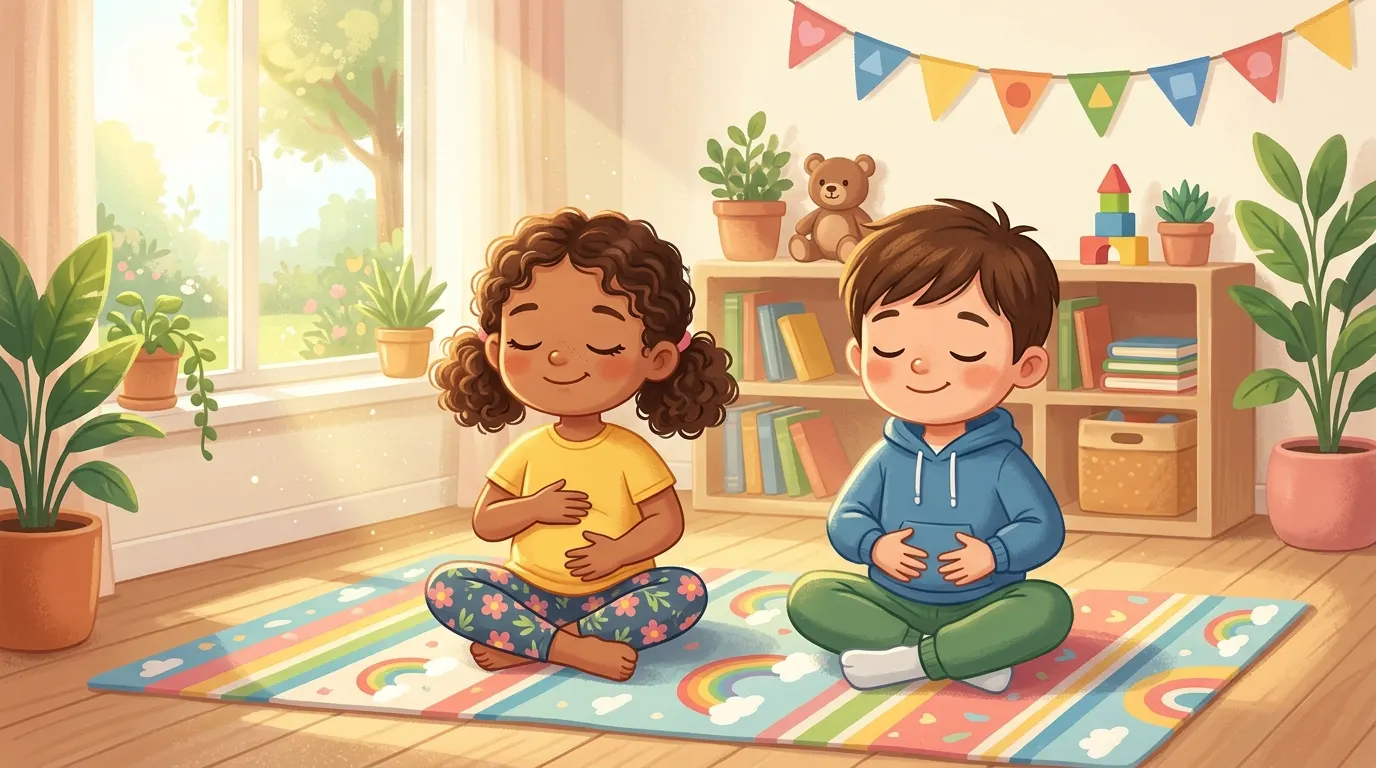
This is the single most portable tool your child will ever have. When emotions run hot, breathing is the fastest off-ramp.
How to do it: Have your child place one hand on their belly. Ask them to breathe in slowly through the nose, feeling their belly rise like a balloon, then breathe out through pursed lips like they're blowing out birthday candles. Do this together for five breaths.For younger children, a visual prop helps enormously. A Hoberman Sphere breathing ball expands as they inhale and contracts as they exhale, making an abstract concept wonderfully concrete.
2. The 5-4-3-2-1 Senses Check-In (Ages 5+)
This grounding exercise pulls children out of their heads and back into their bodies by engaging all five senses.
How to do it: Ask your child to find:- 5 things they can see
- 4 things they can touch
- 3 things they can hear
- 2 things they can smell
- 1 thing they can taste
This works beautifully during a meltdown but is also a wonderful way to start a walk in the park or wind down before bed. It's a skill that pairs perfectly with the outdoor awareness you build through nature journaling.
3. Mindful Coloring (Ages 4+)
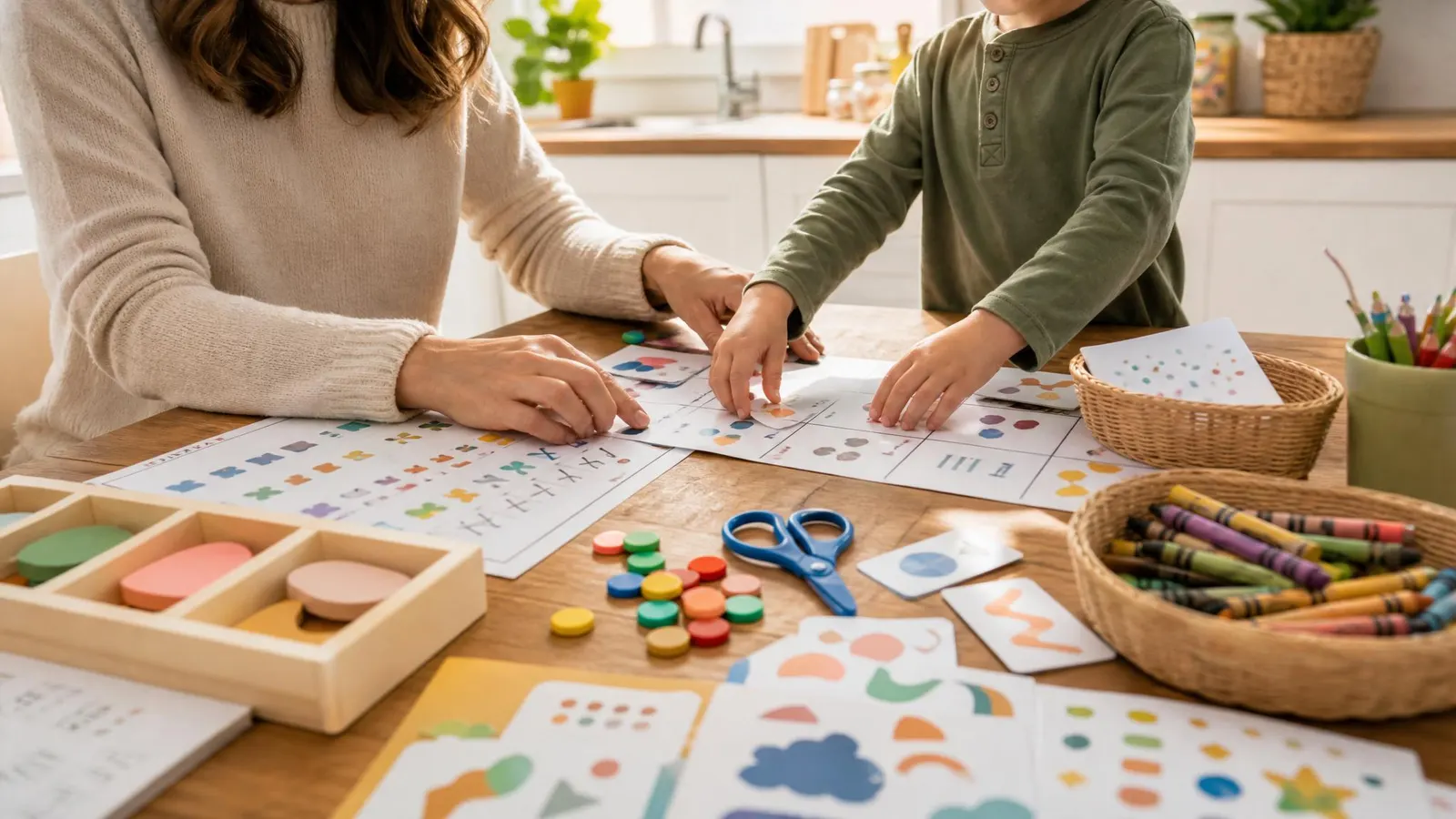
Coloring mandalas or simple patterns is a form of focused attention practice that kids take to instantly—because it just looks like fun.
How to do it: Put on some soft background music and set out colored pencils or crayons. Invite your child to notice the color they're picking, the way the pencil feels in their hand, and the sound it makes on the paper. Gently redirect them if they start rushing. The point is the process, not the finished product.A mandala coloring book for kids provides fresh, age-appropriate designs that feel special and focused.
4. The Glitter Jar (Ages 3+)
Sometimes called a "calm-down jar" or "mind jar," this is a brilliant visual metaphor for how emotions work.
How to do it: Fill a clear bottle or jar with warm water, a squirt of clear school glue, and a tablespoon of fine glitter. Seal the lid with glue. When your child is upset, invite them to shake the jar and watch the glitter swirl. Then, together, breathe slowly and watch it settle. The message: feelings are like glitter—they get swirled up, but they always settle down.Making the jar together is half the fun. A pack of fine craft glitter in multiple colors makes a great family craft project.
5. A Simple Body Scan (Ages 6+)
A body scan teaches kids to notice physical sensations without needing to fix or change them. It's especially helpful for anxious children who hold tension in their bodies.
How to do it: Have your child lie on the floor or in bed. Ask them to close their eyes and take three deep breaths. Then slowly guide them from head to toe: "Notice your head... your shoulders... your tummy... your feet." Ask simply, "Does that part feel tight or relaxed? Warm or cool?" There's no right or wrong answer. The awareness itself is the practice.6. Mindful Eating (Ages 5+)
Turn a snack into a mindfulness exercise. Mindful eating slows children down and connects them to their senses in a totally non-threatening context.
How to do it: Give your child a single raisin, a strawberry, or a piece of dark chocolate. Ask them to:- Look at it closely—what color is it?
- Smell it before taking a bite.
- Place it on their tongue and notice the taste before chewing slowly.
- Notice the sound and sensation of chewing.
This small exercise builds extraordinary focus and can translate into slower, more intentional behavior at the dinner table.
7. "Thought Clouds" Visualization (Ages 7+)
This activity helps older children understand that thoughts are temporary—they float through the mind like clouds and don't have to be believed or acted on.
How to do it: Ask your child to lie down and close their eyes. Guide them to imagine a bright blue sky. Now, invite any thoughts that pop up to become a fluffy cloud drifting slowly across the sky. They don't have to chase the thought or push it away—just watch it drift. This is a powerful foundation for understanding anxiety and worry.Building a Daily Mindfulness Habit
One-off activities help, but a short daily practice creates lasting change. Even three to five minutes a day makes a meaningful difference over time.
- Morning: Try belly breathing before breakfast to set a calm tone.
- After school: A 5-4-3-2-1 check-in helps kids decompress from a busy day.
- Bedtime: A simple body scan guides them gently toward sleep.
You can also build these skills through screen time when used intentionally. Apps like Headspace for Kids offer guided sessions designed for children's attention spans and offer a free section specifically for young users.
FAQ
At what age can kids start mindfulness?
Children as young as 2-3 can benefit from simple breathing exercises and sensory activities. Belly breathing with a visual prop (like a stuffed animal on their belly) is a perfect starting point. More abstract concepts like thought-cloud visualization are better suited for ages 7 and up when metacognitive awareness develops.
What if my child refuses or laughs through the exercises?
Totally normal—and totally fine. Never force it. Try introducing the activity during a calm, connected moment rather than mid-meltdown. Make it playful. Do it yourself while they watch. Kids learn through modeling, and seeing a parent breathe deeply when they are frustrated is enormously powerful.
How do I know if mindfulness is actually helping my child?
Look for gradual shifts over weeks, not overnight transformation. Signs it's working: your child starts asking for a breathing break on their own, meltdowns recover faster, or they begin to name emotions rather than just acting them out. Keep a simple journal entry once a week and you'll likely notice patterns you'd otherwise miss.
---
Building mindfulness into your child's world is one of the most lasting gifts you can give them. It costs nothing, requires no special equipment, and the skills travel with them into adulthood. Start with just one activity this week—and breathe along with them.