"Use your words." How many times have we said it? We say it when our toddler snatches a toy, when our preschooler dissolves into tears, or when siblings start bickering. But what if we could give them better words—and better tools—to use? That's the magic of social-emotional learning (SEL).
This post contains affiliate links. We may earn a small commission at no extra cost to you. Quick answer: Social-emotional learning activities are simple, playful exercises that help children understand their feelings, develop empathy, and build positive relationships. You can practice SEL at home using feeling flashcards, role-playing, storybooks about emotions, and simple breathing exercises to build a foundation for emotional intelligence.Teaching kids to recognize if they're feeling angry, sad, or frustrated is just as important as teaching them their ABCs. These skills, often called "emotional intelligence," are a superpower for navigating school, friendships, and life. And the best part? You don't need a special curriculum, just a bit of playtime and intention.
What is Social-Emotional Learning, Anyway?
Before we jump into the fun stuff, what are we even talking about? According to the experts at the Committee for Children, a leader in the field, SEL is the process of developing the self-awareness, self-control, and interpersonal skills that are vital for success in life.
It's about helping our kids:
- Recognize and manage their own emotions.
- Understand the feelings of others (empathy).
- Make responsible decisions.
- Build and maintain positive relationships.
Think of it as the instruction manual for being a good human. And the best way to teach it is through play.
7 Fun Social-Emotional Learning Activities
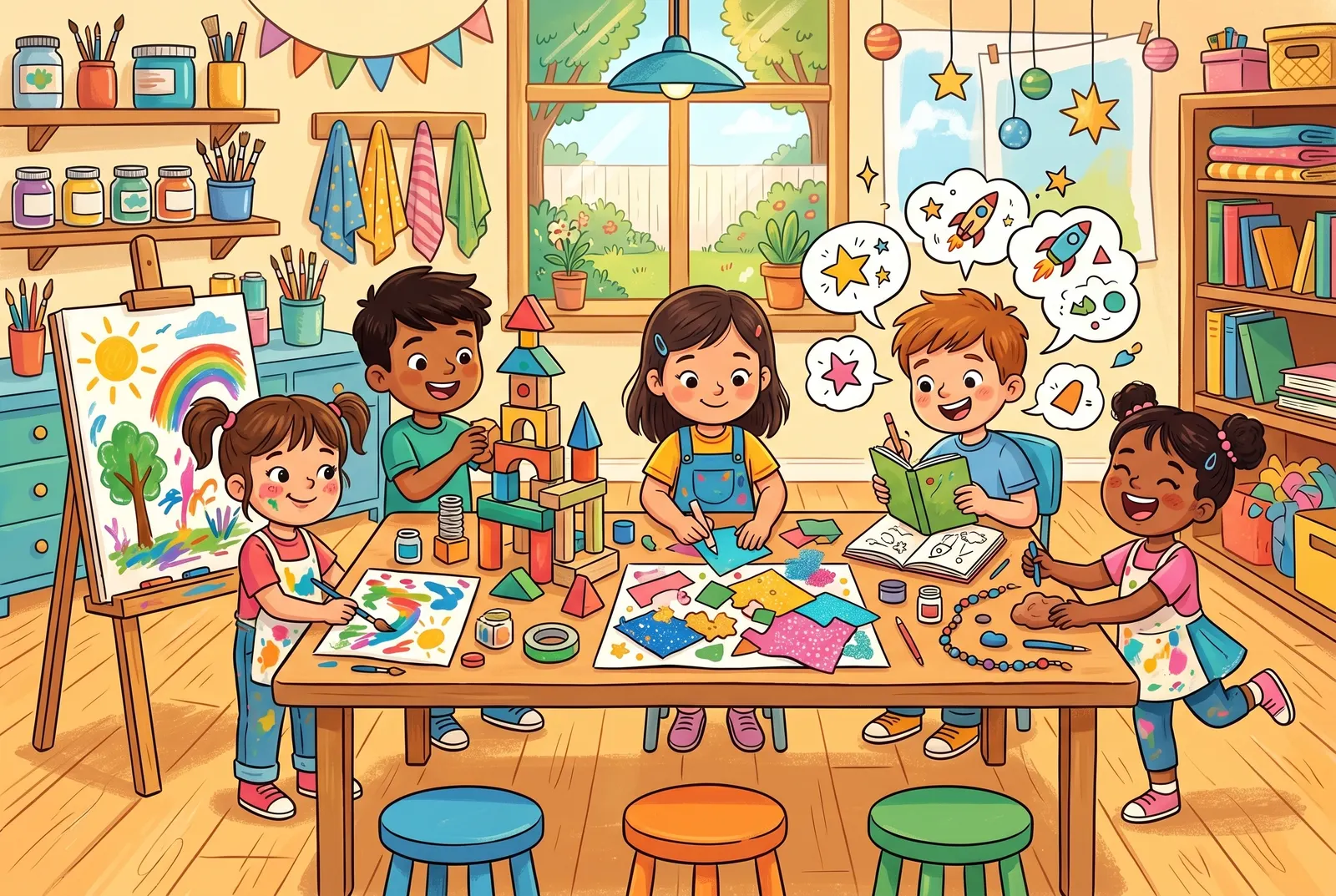
Ready to play? These activities are easy to set up and perfect for preschoolers and young children.
1. Make a "Feelings Chart"
A visual aid can work wonders. Create a simple chart with pictures of faces showing different emotions: happy, sad, angry, surprised, scared. You can draw them or use a pre-made poster like this Feelings Chart for Kids. Each morning, ask your child to point to the face that shows how they're feeling. It gives them a low-pressure way to identify and communicate their emotions.
2. Read Books About Feelings
Stories are a fantastic way to explore complex emotions from a safe distance. As you read, talk about how the characters might be feeling. Books like "The Color Monster" by Anna Llenas or the classic "Grumpy Monkey" are perfect for starting these conversations.
3. Play "What Would You Do?"
Create simple scenarios and ask your child how they would handle them. "What would you do if a friend took your toy?" or "What would you do if you saw someone fall down on the playground?" This kind of role-playing builds problem-solving skills and empathy without the pressure of a real-life situation.
4. Practice "Calm Down" Breathing
When big feelings take over, a simple physical reset can be incredibly effective. Teach your child a fun breathing exercise. Tell them to "smell the flower" (breathe in through their nose) and then "blow out the candle" (breathe out through their mouth). Do it with them. It’s a self-regulation tool they can use for life.
5. Use Emotion Flashcards
Turn learning about feelings into a game. A set of Emotion Flashcards can be used for matching games, charades, or simply as conversation starters. Can they make an angry face? A surprised face? It's a playful way to build their emotional vocabulary. This also ties in nicely with developing other skills, like the ones in our guide to fine motor skill activities.
6. Have a "Kindness Mission"
Challenge your child to do one kind thing each day. It could be helping set the table, giving a compliment, or sharing a toy with a sibling. At the end of the day, talk about how it felt to be kind and how the other person might have felt. This actively builds empathy and prosocial behavior.
7. Leverage Educational Apps
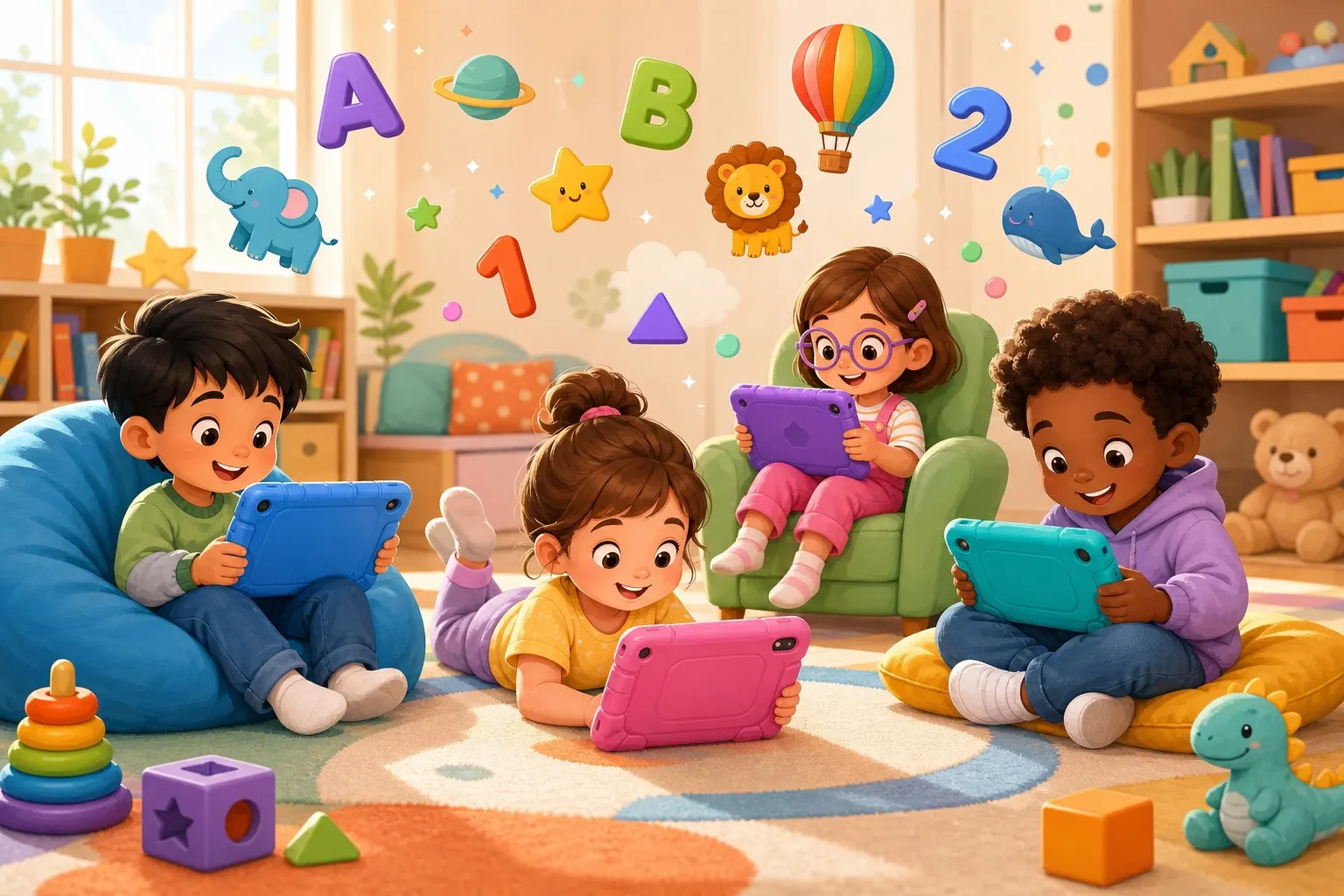
Technology can be a great partner in teaching SEL. Apps like Khan Academy Kids have wonderful, interactive story sections that focus on friendship, empathy, and managing frustration. It's screen time you can feel good about.
FAQ
At what age should I start social-emotional learning activities?
You can start from the very beginning. For babies, simply naming their emotions ("You seem frustrated that you can't reach that toy") is a form of SEL. The activities above are generally great for ages 2-7, but can be adapted for any age.
What if my child isn't interested in these activities?
Don't force it. The goal is positive learning. Try a different activity or a different time of day. Keep it light and playful. The most important thing is creating a home where feelings are talked about openly and without judgment.
How do I handle my own big emotions as a parent?
This is a huge part of the process! Model the behavior you want to see. When you feel frustrated, narrate it in an age-appropriate way. "Mommy is feeling frustrated right now. I'm going to take three deep breaths to calm down." This shows them that all feelings are okay and gives them a script for handling their own.
By incorporating these simple social-emotional learning activities into your routine, you're not just preventing tantrums—you're giving your child the tools they need to build a happy, healthy, and emotionally aware life.