That final school bell rings, and the kids burst out, ready for three months of sunshine, popsicles, and freedom. As parents, we're thrilled for them, but a nagging thought can creep in: the "summer slide." How do we make sure all the amazing progress they made during the school year doesn't melt away like an ice cream cone in July?
This post contains affiliate links. We may earn a small commission at no extra cost to you.**Quick answer: The key to preventing summer learning loss is to weave small, fun learning opportunities into your daily summer rhythm. Focus on real-world math, consistent reading for pleasure, and curiosity-driven activities rather than trying to replicate a structured school day. A little bit of intentional fun goes a long way.
The good news is that keeping their brains engaged doesn't require expensive camps or stressful worksheet marathons. It's about finding the magic in the everyday and nurturing the curiosity that comes so naturally to kids.
What Is Summer Learning Loss, Anyway?
Before we dive into the fun stuff, let's quickly unpack the "why." "Summer learning loss," or the "summer slide," is the well-documented tendency for students to lose some of the academic skills they gained during the school year over the summer break.
Why It Happens
According to researchers at institutions like the NWEA, this slide happens simply because kids' brains are muscles. When they stop doing their daily "workouts"—like structured math problems and reading—those skills can get a little rusty. Math computation and spelling are often the hardest-hit areas. But don't worry, the solutions are genuinely fun.
5 Fun Ways to Keep Them Learning
Forget flashcards. Think popsicles and pillow forts. Here are five low-stress ways to keep the learning alive all summer.
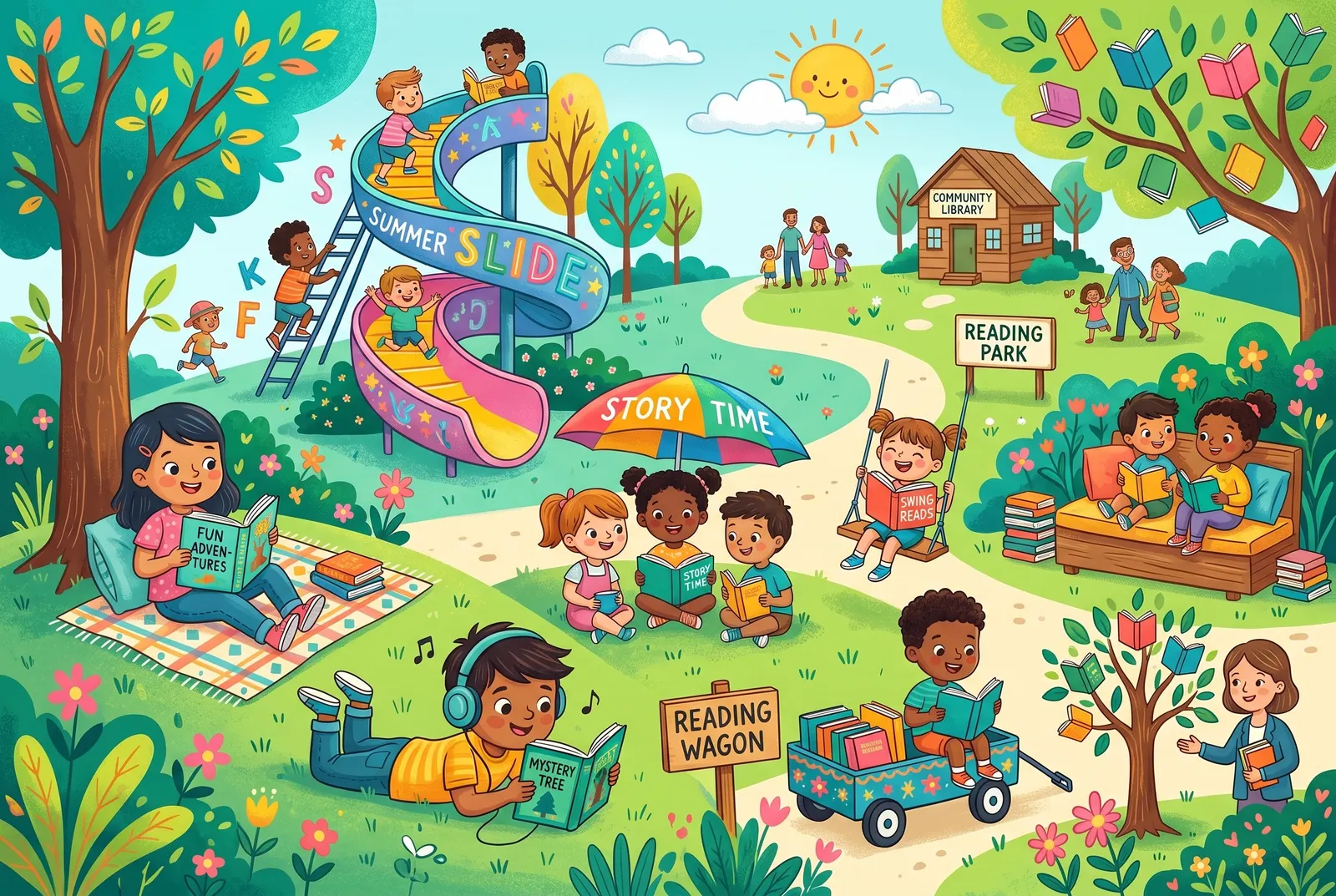
1. Make Reading a Daily Ritual
The single most powerful tool against summer slide is reading. Not assigned reading, but reading for pure joy. Let them choose the books. Graphic novels, goofy adventures, non-fiction about weird animals—it all counts! A daily 20-minute reading habit is more effective than a weekly cram session. A library card is your best friend here. For more ideas, check out our guide on raising readers without screens.
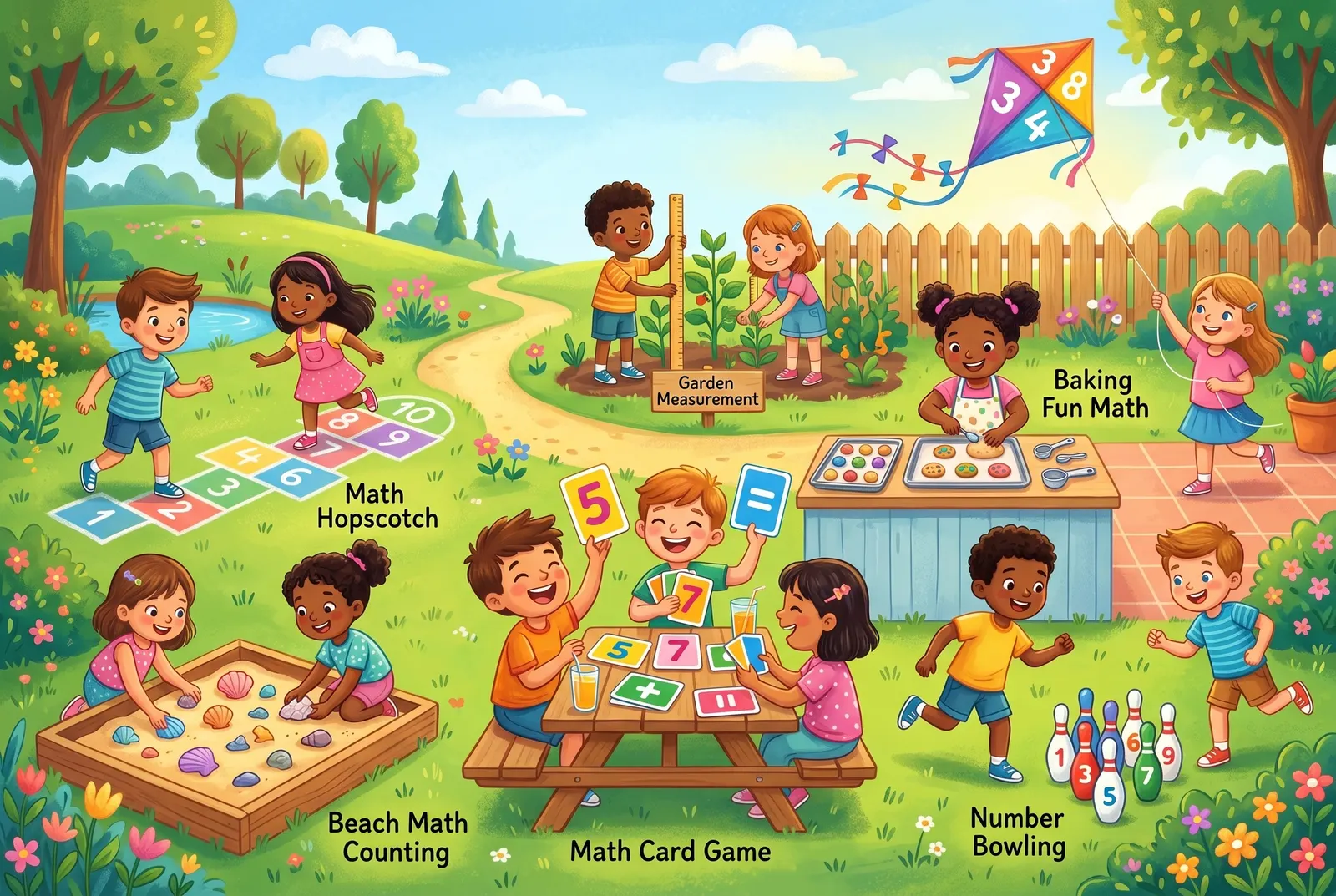
2. Turn Errands into Math Games
Math is everywhere. At the grocery store, have them weigh the produce ("Which is heavier, the apples or the potatoes?"). On a road trip, have them calculate how long until you reach the next town. Baking a cake? Let them measure the ingredients. This makes math a practical, real-world tool, not just a bunch of numbers on a page.
3. Explore Your Local Library
Libraries today are so much more than just books. Most have free summer programs, STEM workshops, craft hours, and reading challenges with fun prizes. It's a fantastic, air-conditioned resource to break up a long summer day and connect with other families.
4. Embrace "Boredom" for Creativity
In our over-scheduled world, boredom has become a scary word. But it's actually the birthplace of creativity! When kids are bored, they invent games, build forts, and create elaborate stories for their toys. Resist the urge to fill every minute. Provide some basic supplies like cardboard boxes, tape, and art supplies from a kit like this Kid Made Modern Arts and Crafts Library, and watch their imaginations take over.
5. Use Screen Time Wisely
We get it—screen-free summers aren't realistic for most families. The key is to be intentional. Swap passive cartoon-watching for something engaging. Apps like Khan Academy Kids (which is free!) offer delightful, game-like lessons in math and reading. A family game night with an educational board game like Ticket to Ride is another fantastic way to learn together.
Great Tools to Beat the Summer Slide
A few strategic tools can make a big difference. Consider a grade-level "summer bridge" workbook for just 15 minutes of focused work a few mornings a week. We like the Summer Brain Quest series because it feels more like a game than homework. For a more structured digital approach, a subscription to a service like ABCmouse provides a clear learning path that kids can follow independently.
FAQ
How much time should my kid spend on learning each day?
Don't overthink it. Aim for about 20-30 minutes of reading and another 15-20 minutes of a playful learning activity (like a math game or an educational app) each day. Consistency is more important than duration.
My child hates workbooks. What can I do?
Ditch them! If workbooks are a battle, it's not worth it. Focus on hands-on activities. Build with LEGOs, cook together, visit a museum, or start a simple garden. All of these activities are rich with learning opportunities.
Do I need to buy a bunch of new stuff?
Absolutely not. Your best tools are free: your library card, your kitchen, your backyard, and your own curiosity. The goal is to create a playful learning environment, not to buy a classroom's worth of supplies.
Preventing summer learning loss is about nurturing a love for learning itself. By keeping it light, fun, and integrated into your summer adventures, you'll send them back to school rested, recharged, and ready to go.