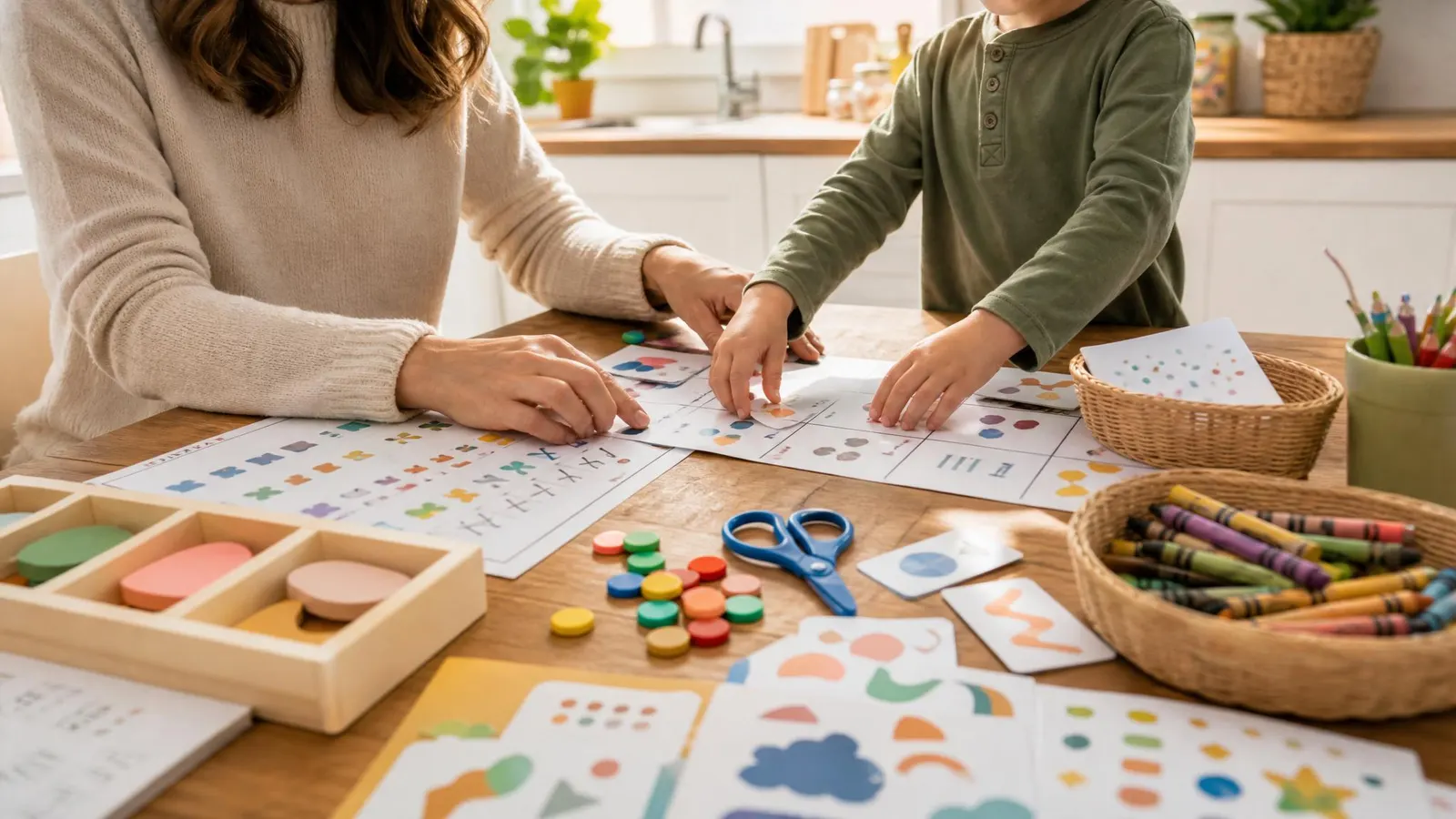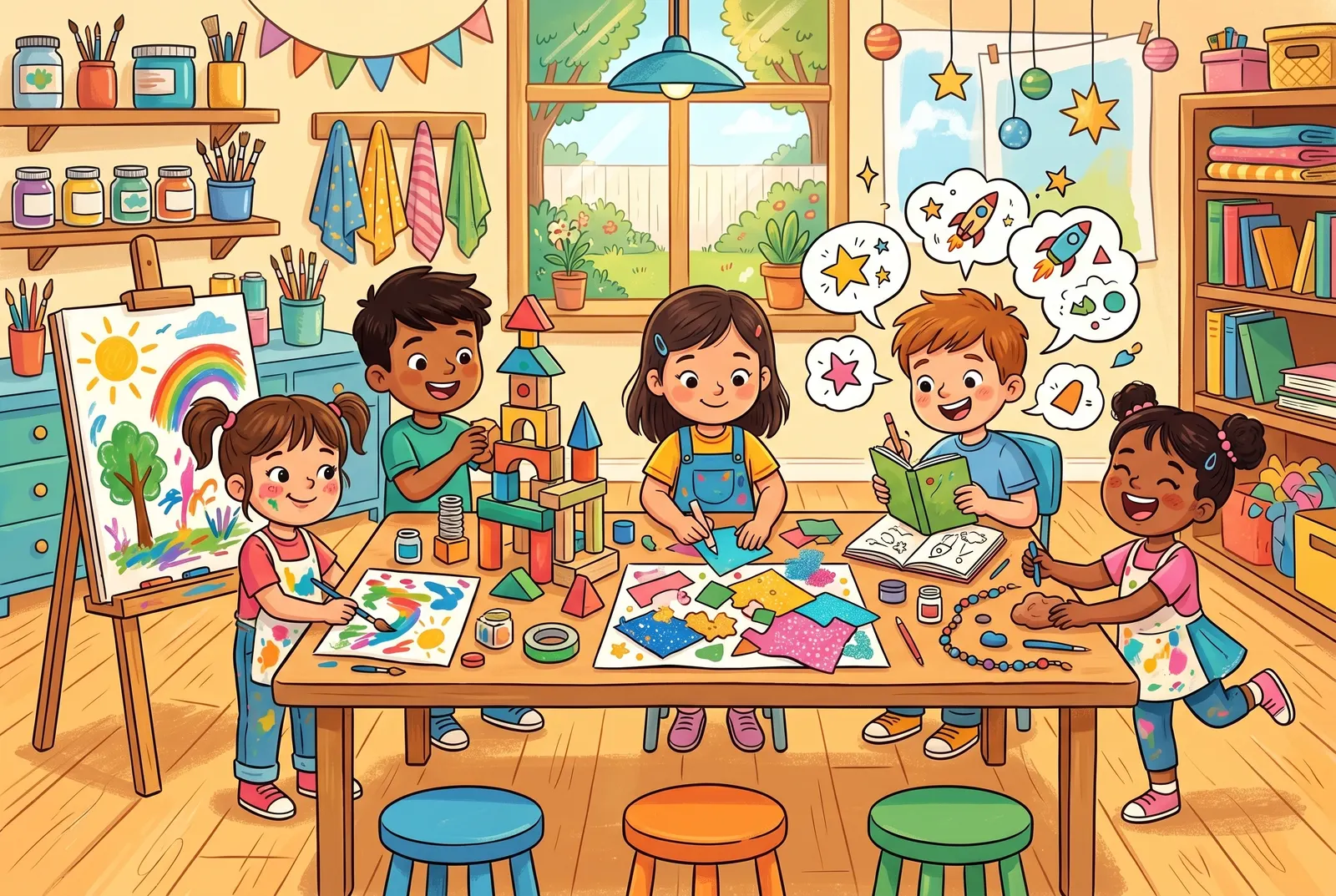
As a parent, you've probably watched your child turn a cardboard box into a spaceship or a pile of blankets into a secret fort. Kids are naturally imaginative, but in a world full of structured activities and screen time, it's easy for that creative spark to dim. The good news? Nurturing their creativity doesn't require expensive classes or complicated projects.
This post contains affiliate links. We may earn a small commission at no extra cost to you. Quick Answer: To spark creativity in young children, focus on providing open-ended materials, encouraging questions, and embracing imperfection. Give them access to basic art supplies and building blocks, ask "what if..." questions during play, and praise their effort, not just the final product. This creates a safe space for them to explore their imagination freely.Why Nurturing Creativity Is So Important
Fostering creativity isn't just about raising a future artist or musician. It's about developing essential life skills. Creative thinking builds problem-solving abilities, resilience, and emotional expression. As PBS notes, creative play helps children express and cope with their feelings. When we spark creativity in young children, we're giving them a powerful toolkit for navigating the world.
5 Simple Ways to Spark Creativity
You can easily weave these practices into your daily routine. It's all about making space for imagination to flourish.
1. The "Boredom Buster" Box
Instead of pre-packaged craft kits, create a box filled with open-ended materials. Think toilet paper rolls, pipe cleaners, scrap fabric, bottle caps, and glue. These simple items encourage kids to invent, design, and problem-solve. For a ready-made option, a good set of basic craft supplies can provide endless possibilities without dictating the outcome. The key is that there are no instructions.
2. Ask "What If..." Questions
During playtime, reading, or even a walk, inject a little curiosity.
- "What if animals could talk? What would that squirrel say?"
- "What if we built a car out of these blocks? Where would we go?"
- "What if you were the king or queen of this playground?"
3. Praise the Process, Not Just the Product
When your child shows you a drawing, try to avoid the generic "That's beautiful!" Instead, comment on their effort and choices.
- "Wow, you used so many different colors here!"
- "I can see you worked really hard on making that tall tower."
- "Tell me about what you created."
4. Create a "Yes" Environment for Mess
Creativity can be messy. If a child is worried about spilling paint or getting clay on the table, their creative flow will be blocked. Designate a space—a corner of the kitchen, an old sheet on the floor—where it's okay to make a bit of a mess. Check out our post on kid-friendly art projects with less mess for some ideas! Easy-to-clean supplies like washable paints and markers are your best friends here.
5. Rotate Their Toys
You don't need to constantly buy new toys to spark creativity. In fact, fewer options can lead to deeper play. Keep a small selection of toys out and store the rest. Every few weeks, swap them out. When an old toy reappears, it feels new again, and children will often discover inventive ways to play with it they hadn't before. Classic, open-ended toys like LEGOs or wooden blocks are perfect for this.
FAQ
My child says "I'm not good at drawing." What should I do?
Focus on the fun, not the skill. Say something like, "Drawing is just for fun! It doesn't have to look like anything at all. Let's just make some silly squiggles." Model this by drawing freely yourself without worrying about the outcome.
Are video games bad for creativity?
Not necessarily, but balance is key. Games centered around building and exploration (like Minecraft in creative mode) can be fantastic for creativity. The issue arises when screen time displaces the hands-on, unstructured play that is so vital for development.
How do I encourage my child if I don't feel creative myself?
You don't have to be an artist to raise a creative child! Your role is to be a facilitator. Provide the materials, the space, and the encouragement. Your curiosity and willingness to engage are all they need. Reading from a rich library of digital books on Epic! can also transport both of you to imaginative new worlds.