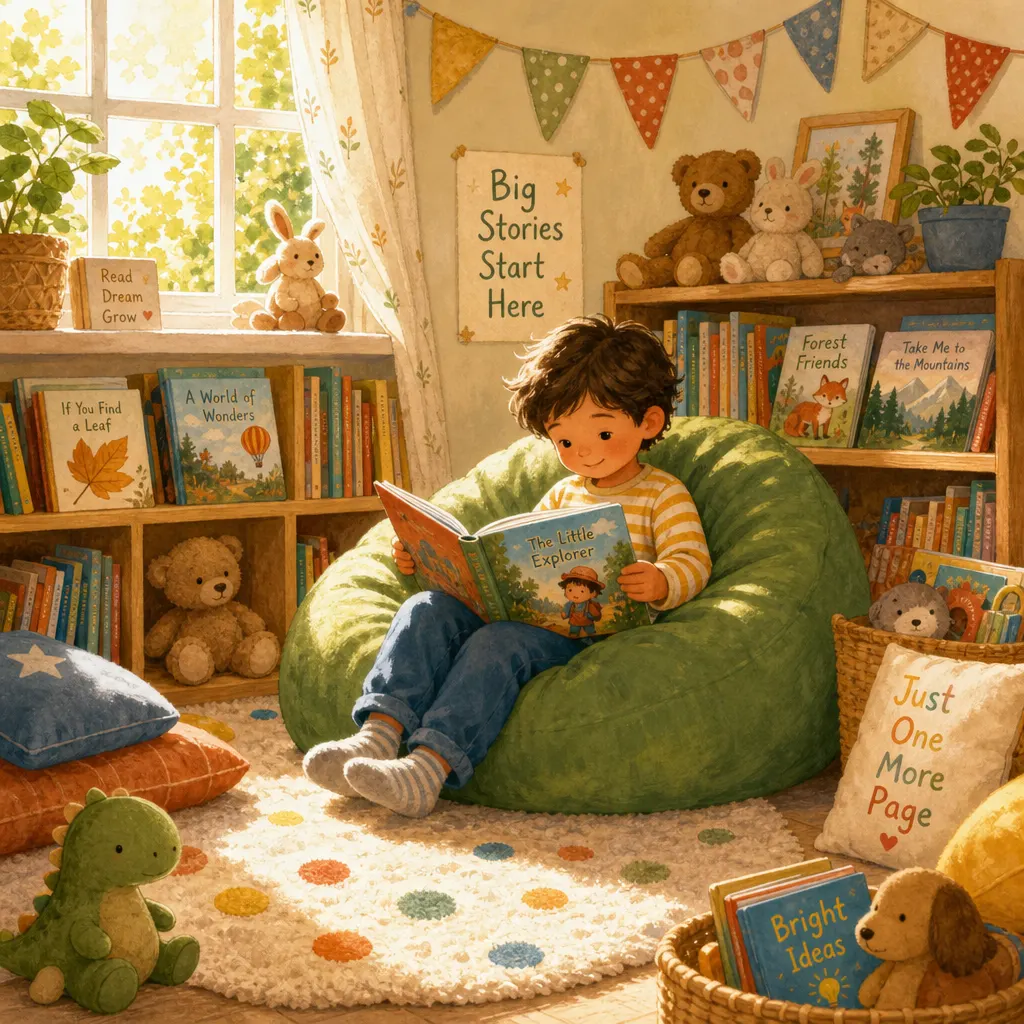
You've picked out the perfect picture book, settled into your coziest chair, and your preschooler is snuggled up beside you. You start reading, but two pages in, they're wiggling away, distracted by a dust bunny or a distant toy. Sound familiar? Keeping a young child engaged during story time can feel like a secret art form, but it's one every parent can master.
This post contains affiliate links. We may earn a small commission at no extra cost to you. Quick Answer: The best read-aloud strategies for preschoolers involve being expressive, asking questions, and making it interactive. Use different voices for characters, ask "what do you think will happen next?", let them turn the pages, and connect the story to their own life. This transforms passive listening into active participation.Why Reading Aloud to Preschoolers Matters
Before we dive into the "how," let's touch on the "why." Reading aloud is more than just a calming bedtime routine. It's a powerhouse of developmental benefits. According to Reading Rockets, this simple activity builds vocabulary, improves listening skills, and introduces children to fundamental concepts like story structure and print awareness. Most importantly, it fosters a positive emotional connection with books, laying the groundwork for a lifelong love of reading.
5 Simple Read-Aloud Strategies to Try Today
Ready to make story time the best part of the day? These strategies are easy to implement and can make a world of difference.
1. Become a Voice Actor
You don't need to be a professional to have fun with voices. Make the giant's voice deep and rumbly. Make the mouse's voice high and squeaky. Even just changing your tone and pace to match the story's mood can captivate a child's attention. It signals that this is a special, imaginative time.
2. Ask "Wondering" Questions
Instead of quizzing your child ("What color is his hat?"), ask open-ended questions that spark curiosity.
- "I wonder why she did that..."
- "What do you think will happen on the next page?"
- "How do you think he's feeling right now?"
3. Let Them Be the Co-Pilot
Give your child a job! Let them be the official page-turner. Encourage them to point to pictures they find interesting. For books with repetitive phrases, pause and let them fill in the blank. This physical interaction keeps them anchored in the experience. A great series for this is Mo Willems' Elephant & Piggie books, where the simple text and expressive art invite participation.
4. Connect the Story to Their World
Bridge the gap between the book and their life. If the characters are eating strawberries, you could say, "That's just like the strawberries we had for a snack today!" If they're visiting a farm, talk about the time you saw a cow. This makes the story more relevant and memorable.
5. Don't Be Afraid to Go Off-Script
It's okay if you don't read every single word. Sometimes, the best moments happen when you pause to talk about the illustrations, make a silly sound effect, or relate a character's antics to something funny your child did. The goal is connection, not perfect recitation. For a truly immersive experience, a storybook projector can bring the illustrations to life on the wall, adding a whole new layer of magic.
Choosing the Right Books
A great strategy won't save a boring book. Look for stories with engaging illustrations, a clear rhythm or rhyme, and relatable characters. Don't be afraid to read the same book over and over—repetition is key for preschooler learning. For digital options, services like ABCmouse offer vast libraries of animated stories that can supplement your physical library.
FAQ
How long should I read to my preschooler each day?
Aim for about 15-20 minutes of dedicated reading time per day. It's better to have a short, engaged session than a long, distracted one. You can break it up into smaller chunks throughout the day.
What if my child still won't sit still?
That's completely normal for this age! Try "reading on the move." Let them act out the story, build with blocks while they listen, or snuggle with a favorite stuffed animal. The goal is for them to hear the language, not necessarily to be perfectly still.
Is it okay to read books above their "level"?
Absolutely! Reading books with richer vocabulary is a fantastic way to expose them to new words in context. They may not understand every word, but they are absorbing the rhythm of the language and the joy of a complex story, like the classic Where the Wild Things Are.