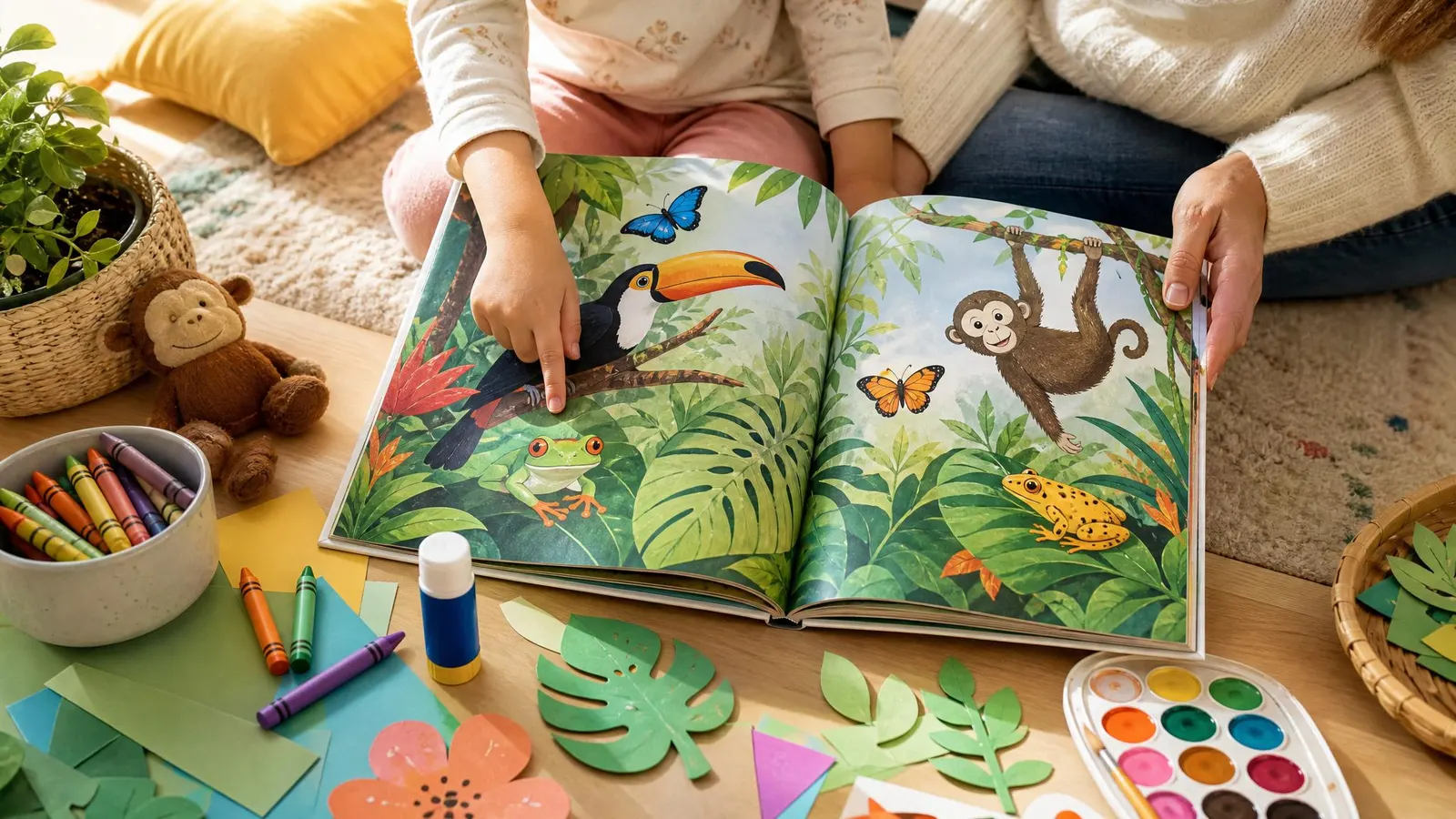
You're curled up with your little one, a colorful book open on your lap. You read the words, they look at the pictures, and you turn the page. It's a nice moment, but is it magical? If story time sometimes feels more like a routine to get through than a treasured connection, you're not alone.
This post contains affiliate links. We may earn a small commission at no extra cost to you. Quick answer: The key to transformative story time is using active read-aloud strategies. This means going beyond just saying the words and instead using different voices, asking questions, pointing to words, and letting your child lead. These simple techniques turn passive listening into an active, brain-building adventure.Reading to a child is one of the most powerful things you can do for their development. But how you read matters just as much as that you read. With a few easy tweaks, you can make your read-aloud sessions the best part of their day.
Why Read-Alouds Matter More Than You Think
Before we get to the "how," let's touch on the "why." A great read-aloud session isn't just about entertainment. According to literacy experts at Reading Rockets, a project of the U.S. Department of Education, it's a powerhouse for development.
It builds:
- Vocabulary: Books introduce words they won't hear in everyday conversation.
- Comprehension: They learn how stories are structured—with a beginning, middle, and end.
- Bonding: It creates a warm, safe space for connection between you and your child.
- A Love for Reading: Positive story time experiences create lifelong readers.
7 Simple Read-Aloud Strategies to Try Tonight
You don't need a degree in early childhood education to be an amazing reader for your child. Just try one or two of these simple read-aloud strategies.
1. Use Different Voices
This is the number one way to make a story come alive. The wolf gets a low, gravelly voice. The mouse gets a high, squeaky one. You don't have to be a professional voice actor! Just a little variation is enough to signal a new character and make the story more dynamic and easier for a child to follow.
2. Point to the Words
As you read, gently trace the words with your finger. This is a foundational pre-reading skill called "print awareness." It subtly teaches your child that the squiggles on the page are what you're reading, that we read from left to right, and that words are separate from pictures. It’s one of the most passive but powerful read-aloud strategies for building future readers.
3. Ask "What Do You Think Will Happen Next?"
Pause before turning a critical page. Ask them to predict what's coming. This builds comprehension and critical thinking skills. There's no wrong answer! The goal is to get them thinking about the story's narrative and engaging with it as a participant, not just a listener.
4. Don't Be Afraid to Go Off-Script
Did they point to the tiny snail on the page? Stop and talk about it! "Oh, look at that little snail! Where do you think he's going?" Did the book mention a firetruck? Talk about the firetruck you saw yesterday. Connecting the story to their own life makes it more memorable and meaningful.
5. Let Them Turn the Pages
This seems small, but it's huge for toddlers and preschoolers. It gives them a sense of control and ownership over the story. It also helps develop their fine motor skills. Sure, they might rip a page now and then, but a little tape is a small price to pay for an engaged little reader.
6. Choose Books They Love (Even the Same One)
As adults, reading the same book for the 47th time can feel like a chore. For a child, it's comforting and educational. Repetition is how they learn. They pick up new details with each reading. So lean into their favorites. For great, endlessly re-readable options, check out classics like Where the Wild Things Are or The Very Hungry Caterpillar.
7. Keep It Short and Sweet
A preschooler's attention span is short. Don't try to push through a 30-page book if they're squirming by page 5. It's better to have a joyful 5-minute reading session than a frustrating 15-minute one. The goal is to make them associate books with pleasure.
Great Tools for Raising a Reader
Beyond the bookshelf, digital libraries can be a fantastic supplement. A service like Epic! offers thousands of high-quality digital books. It's a great way to discover new favorites or have a story ready to go on your phone when you're waiting at the doctor's office. For a hands-on activity, a Melissa & Doug Wooden Alphabet Puzzle can help connect the letters they see in books to physical objects.
These tools support the journey, but the core magic happens with you, a book, and a bit of intentionality. For more ideas on balancing tech and tradition, check out our guide on raising readers without screens.
FAQ
How long should I read to my preschooler each day?
Aim for 15-20 minutes of dedicated reading time per day. You can break this up into a few shorter sessions. The key is consistency and making it a positive experience.
What if my child won't sit still for a book?
That's totally normal! Try interactive books with flaps or textures, let them act out the story, or read while they're in the bath or having a snack. The goal is exposure to language, not forcing them to be still.
When should I start using these read-aloud strategies?
You can start from day one! Even infants benefit from hearing your voice and the rhythm of language. Simple strategies like pointing to pictures can be used from just a few months old.
The goal of these read-aloud strategies is simple: turn story time from a passive activity into an interactive, joyful experience. It's about connection, conversation, and building a foundation for a lifelong love of learning, one silly voice at a time.