Kindergarten readiness is not about turning your living room into a tiny classroom. It is about helping your child feel confident with simple routines, early words and numbers, sharing, listening, and trying again when something feels tricky.
This post contains affiliate links. We may earn a small commission at no extra cost to you. Quick answer: The best kindergarten readiness activities at home are short, playful, and practical. Read together, practice name recognition, count real objects, build fine motor strength, play turn-taking games, rehearse school routines, and give kids small independence jobs. Ten calm minutes a day can do more than a long stack of worksheets.Think of readiness as a toolbox. Your child does not need every skill polished perfectly before the first day. They need enough practice to walk in curious, capable, and used to trying.
Start With the Skills Kindergarten Actually Uses
Kindergarten teachers care about letters and numbers, but they also care about whether a child can follow a two-step direction, open a lunch container, ask for help, wait briefly, and recover after disappointment. Those everyday skills make the school day smoother.
The National Association for the Education of Young Children emphasizes developmentally appropriate kindergarten experiences, which means young kids learn best through play, conversation, movement, and hands-on exploration. That same idea works beautifully at home.
Use a light touch. If an activity starts to feel tense, shorten it, make it sillier, or come back later. Readiness should build confidence, not dread.
9 Easy Kindergarten Readiness Activities at Home
1. Name Hunt Around the House
Write your child's name on a few sticky notes and place them on the fridge, bedroom door, backpack, and snack bin. Ask them to find their name during the day.
Once that feels easy, mix in family names or simple words like "mom," "dad," "cat," or "sun." A set of magnetic letters can make this feel more like building than drilling.
2. Ten-Object Counting
Pick ten real things: crackers, buttons, toy cars, socks, blocks, or pasta shapes. Count them slowly, touch each item once, and move it to a new pile.
Then ask tiny math questions: "What if we add one more?" or "Can you give me three?" This builds one-to-one counting, which matters more than rattling off numbers from memory.
3. Read, Retell, and Predict
After a short picture book, ask three questions:
- "What happened first?"
- "What happened next?"
- "What do you think could happen after the last page?"
This builds comprehension, memory, and expressive language. If your child likes dramatic voices, borrow a few ideas from our read-aloud strategies for preschoolers.
4. Lunchbox Practice Picnic
Pack a pretend school lunch and eat it at the table, on a blanket, or outside. Let your child practice opening containers, peeling a banana, using a napkin, closing a water bottle, and throwing away trash.
This sounds small until the first week of school, when twenty children all need help at once. A low-pressure picnic gives your child a head start.
5. Fine Motor Morning Tray
Set out one small tray with child-safe scissors, scrap paper, crayons, stickers, tweezers, and pom-poms. Invite your child to cut, sort, pinch, peel, draw, and stick for five to ten minutes.
These little hand muscles support writing, zipping, buttoning, and opening packages. If your child enjoys structured practice, a simple kindergarten readiness workbook can be useful, but keep it balanced with hands-on play.
6. Two-Step Direction Game
Turn listening practice into a silly challenge. Say, "Touch your nose, then jump twice" or "Put the red block in the cup, then clap."
Start with easy directions and gradually add detail. School is full of instructions like "put your folder away and sit on the rug," so this is practical preparation disguised as play.
7. Feelings Charades
Take turns acting out happy, frustrated, surprised, worried, proud, and tired. Ask, "What could help someone who feels that way?"
Kindergarten brings new emotions: separation, friendship bumps, waiting, excitement, and fatigue. Naming feelings gives kids words they can use before a meltdown takes over.
8. Pattern and Sorting Station
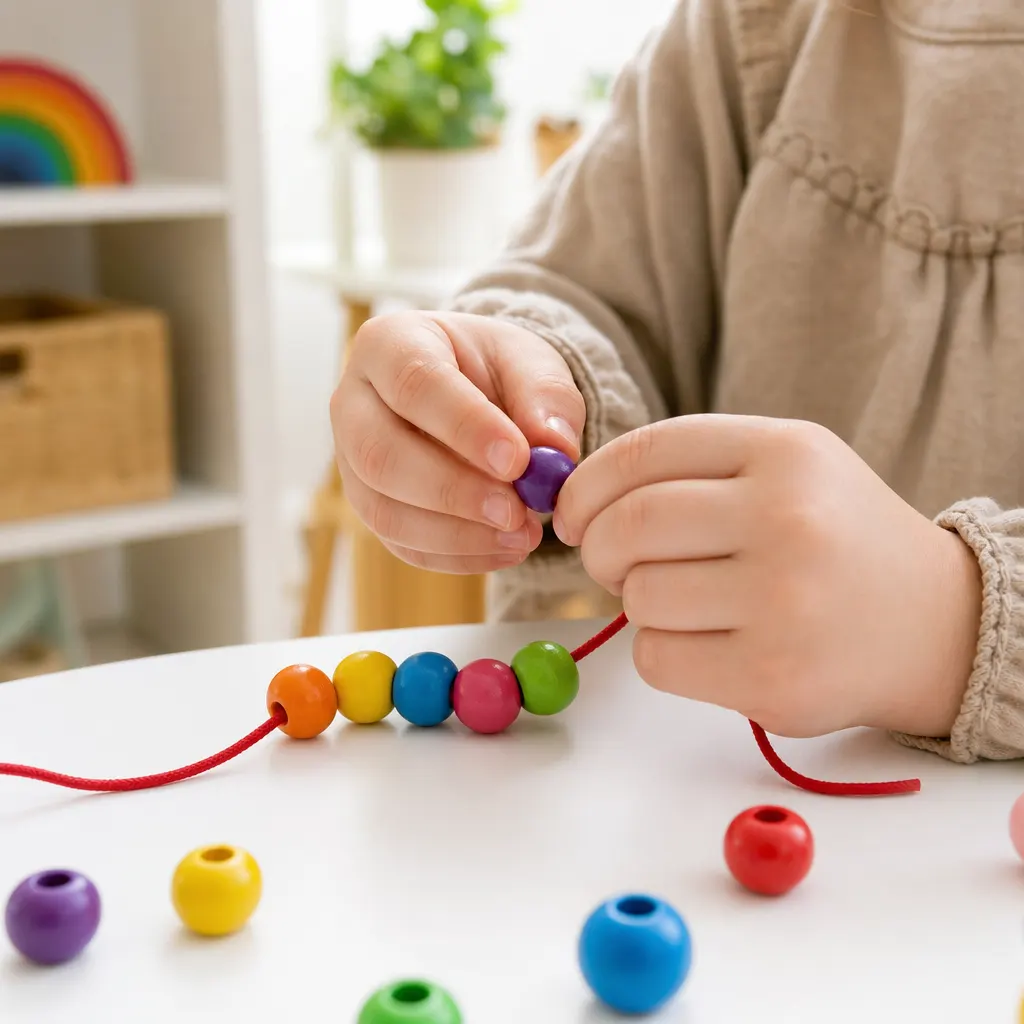
Use blocks, cereal, beads, toy animals, or counting bears to sort by color, size, type, or "same and different." Then make patterns: red-blue-red-blue, big-small-big-small.
Sorting and patterns build early math thinking. They also help kids slow down and notice details, which is useful for letters, numbers, and science.
9. School Morning Rehearsal
Once a week, do a gentle practice run. Get dressed, eat breakfast, brush teeth, pack a bag, put on shoes, and walk to the door.
Use pictures if your child likes visual reminders. A small visual schedule for kids can help, but phone photos of your actual routine work too.
Keep Practice Short and Positive
Kindergarten readiness activities work best in tiny doses. Try one activity after breakfast, one during snack, or one before bedtime. Stop while your child is still interested.
If your child resists anything that looks like "school," lean into practical life skills instead: matching socks, setting the table, watering plants, packing a backpack, or helping cook. Those jobs build sequencing, counting, vocabulary, responsibility, and confidence.
And if your child is still learning letters, still writing wobbly shapes, or still nervous about being away from you, that does not mean you are behind. Kids arrive at kindergarten with a wide range of skills. Your steady practice at home gives them a kind, familiar place to grow.
FAQ
What should my child know before kindergarten?
Helpful skills include recognizing their name, listening to a short story, following simple directions, counting small groups of objects, using the bathroom independently, opening lunch items, and asking for help.
Do kindergarten readiness workbooks help?
They can help in small amounts, especially for kids who enjoy pencil tasks. Use workbooks as one tool, not the whole plan. Play, reading, conversation, movement, and independence practice matter just as much.
How long should we practice each day?
Ten to fifteen minutes is enough for most preschoolers. You can also weave practice into normal routines: count snack pieces, talk about story order, sort laundry, or rehearse putting on shoes.