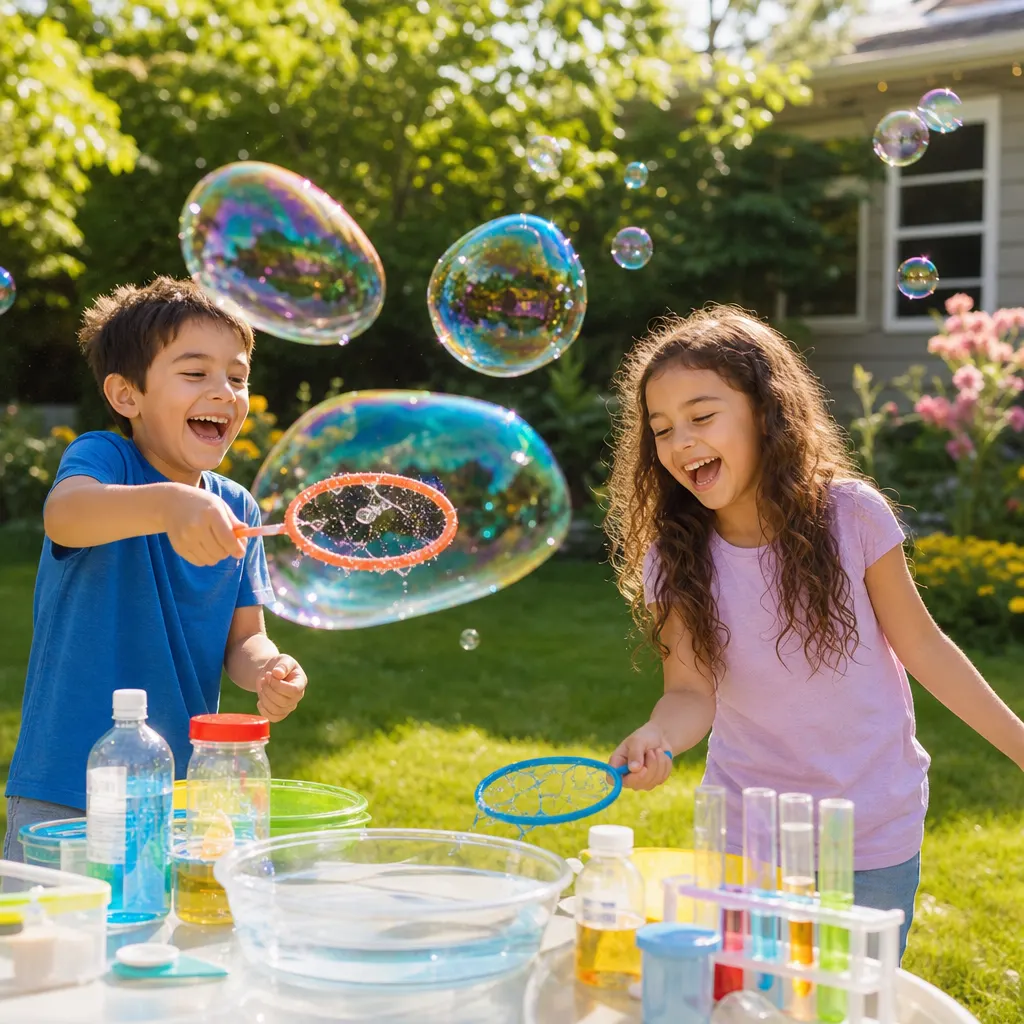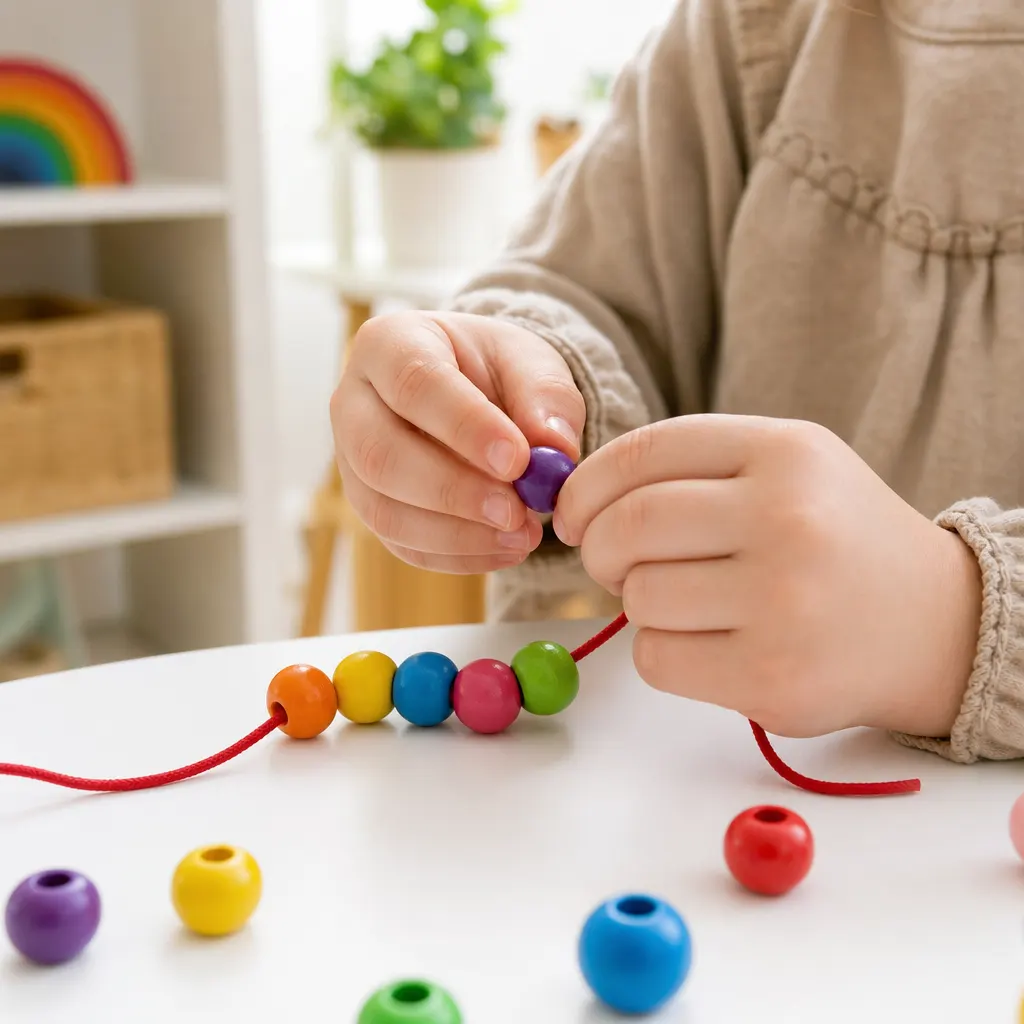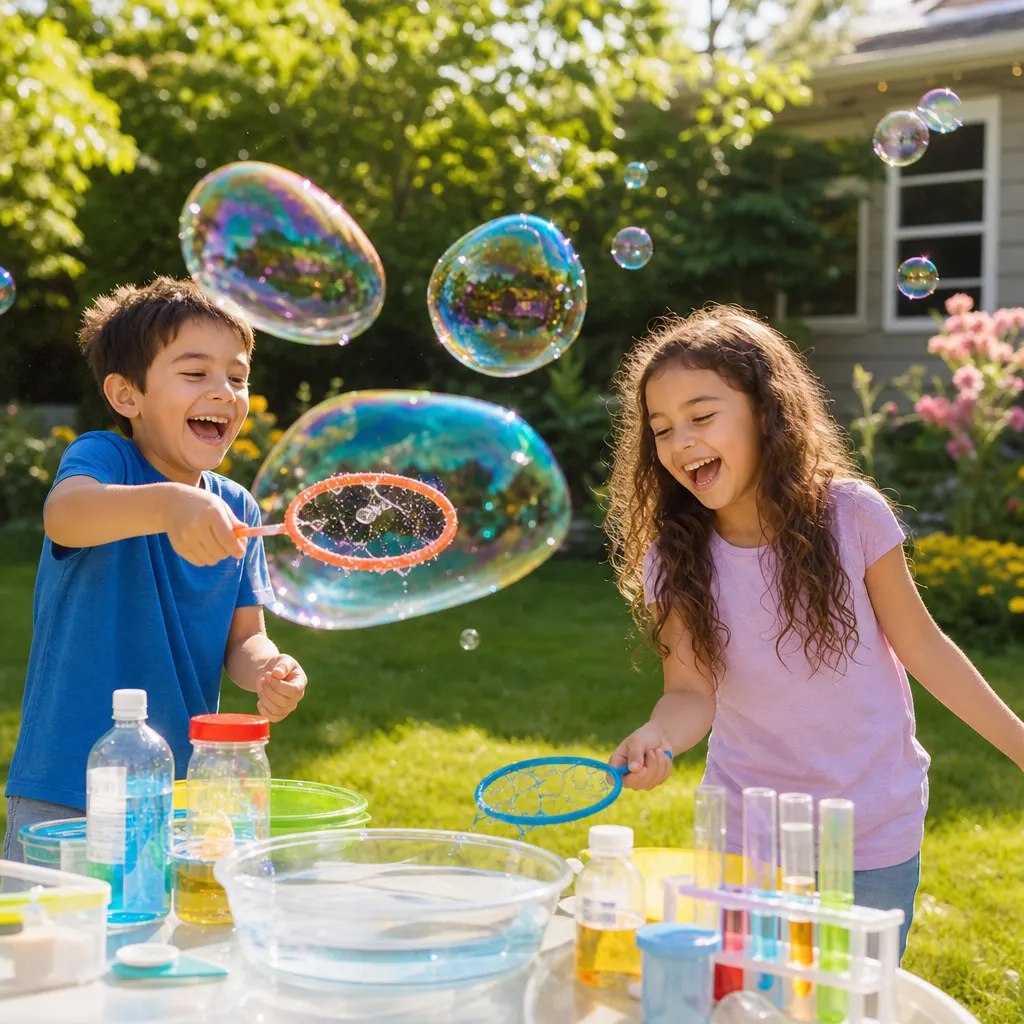
Preschool science does not need a lab coat, a workbook, or a perfectly quiet child. It works best when it feels like play: pouring, sorting, guessing, watching, and asking "what happened?"
This post contains affiliate links. We may earn a small commission at no extra cost to you. Quick answer: The best preschool science activities at home are short, hands-on experiments with safe everyday supplies. Try sink-or-float testing, color mixing, nature sorting, magnet hunts, ice melting races, shadow play, and simple plant observations. Keep each activity under 20 minutes, ask prediction questions, and let your child do as much touching and testing as possible.The real goal is not memorizing scientific terms. It is helping kids notice patterns, make guesses, change one thing at a time, and feel brave enough to ask questions.
Start With the Preschool Science Mindset
At this age, science is less about facts and more about habits. A preschooler who says "I think the big rock will sink" is practicing prediction. A child who notices "the blue and yellow made green" is practicing observation. Those tiny moments matter.
The National Association for the Education of Young Children encourages early science experiences that let children investigate real materials, talk about what they notice, and revisit ideas over time. That is good news for parents, because you can do all of that with a mixing bowl and a towel.
Use simple prompts:
- "What do you think will happen?"
- "What changed?"
- "How could we test it another way?"
- "What should we try next?"
No pressure, no quiz voice. Just curiosity.
7 Easy Preschool Science Activities at Home
1. Sink or Float Tray
Fill a bowl or storage bin with water. Gather a spoon, cork, toy car, leaf, plastic block, sponge, rock, and apple slice. Ask your child to sort items into two piles: "will sink" and "will float."
Then test them one by one. A basic water play table is useful if you have outdoor space, but a mixing bowl on a towel works fine.
2. Color Mixing Cups
Set out three clear cups with water. Add red, yellow, and blue food coloring. Give your child an eyedropper, spoon, or small measuring cup and let them mix colors in an empty cup.
This is great for practicing careful pouring and early cause-and-effect thinking. For less mess, use a washable kids science droppers set.
3. Ice Melting Race
Put ice cubes in three small bowls. Leave one alone, sprinkle salt on one, and pour warm water on one. Ask which ice cube will melt first.
This experiment is wonderfully visual. Keep the explanation simple: heat helps ice turn into water, and salt changes how ice melts.
4. Magnet Hunt
Give your child a large magnet wand and walk around the room testing safe objects: a spoon, zipper, toy car, chair leg, crayon box, and keys. Make a "magnetic" and "not magnetic" pile.
A chunky magnet science kit for kids can make this easier for small hands, but avoid tiny magnets with young children.
5. Nature Sorting
Collect leaves, sticks, rocks, flowers, pinecones, and seed pods from a walk. Back at home, sort them by color, texture, size, or "came from a plant" and "did not come from a plant."
This pairs nicely with nature journaling for kids if your child likes drawing what they found.
6. Shadow Play
Use a flashlight and a few toys. Move the flashlight closer and farther away. Ask what happens to the shadow. Try turning the toy sideways, stacking toys, or tracing shadows on paper.
This is a quiet activity for late afternoon or bedtime, and it teaches light, distance, and shape without feeling like a lesson.
7. Bean-in-a-Bag Plant Watch
Place a damp paper towel and a dry bean inside a clear zip bag. Tape it to a sunny window. Check it every day and ask your child to describe what changed.
You can draw a tiny picture each day, measure the sprout with a ruler, or compare two bags: one in sun and one in shade.
Keep It Calm, Safe, and Short
Preschool activities work best when the setup is small. Pick one tray, one towel, and one activity. If the experiment has more than five steps, simplify it.
Stay close when using water, magnets, small objects, or anything that could go in a mouth. Choose washable supplies, skip fragile glass, and save complicated chemistry for older kids. A basic preschool science kit can be helpful, but you do not need one to start.
When attention fades, stop while it still feels fun. You can always say, "Let's leave this here and check it later."
Build a Tiny Science Shelf
A small science shelf makes spontaneous learning easier. You do not need much:
- Measuring cups
- Plastic bowls
- Child-safe tweezers
- Magnifying glass
- Flashlight
- Washable markers
- Paper towels
- A small notebook
Keep the supplies where you can grab them quickly, but store messy items out of reach. When a child asks why ice melts, why leaves fall, or why shadows move, you can turn the question into a quick experiment instead of a long explanation.
FAQ
What science concepts can preschoolers understand?
Preschoolers can understand simple versions of sinking and floating, color mixing, plant growth, magnets, weather, light and shadow, sorting, and cause and effect. Use real objects and everyday words first.
How long should preschool science activities last?
Ten to twenty minutes is plenty. Some kids will stay longer, especially with water or nature play, but short sessions are easier to keep happy and focused.
What if my child only wants to make a mess?
That is normal. Give the mess a boundary: a tray, towel, bin, or outdoor spot. Then narrate what they are doing: pouring, mixing, squeezing, sorting, testing. The play still counts as learning.