Homeschooling doesn't have to drain your bank account. The internet is filled with incredible, high-quality educational materials if you know where to look. But sorting through the noise to find the truly great stuff can be a full-time job in itself. That's where we come in.
This post contains affiliate links. We may earn a small commission at no extra cost to you. TL;DR: You can build a rich, engaging homeschool curriculum for free using a mix of core platforms like Khan Academy and PBS Kids, supplementing with specialized sites for printables and virtual field trips. The key is to blend digital tools with hands-on activities to keep learning dynamic and fun.Forget spending hundreds on expensive boxed curricula. We've gathered some of the best free homeschool resources that educators and parents trust, so you can focus on what really matters: watching your child learn and grow.
1. The Core Digital Curriculum Hubs
These websites are the heavy hitters. They offer structured lessons, videos, and activities across multiple subjects and are robust enough to form the backbone of your homeschool curriculum.
Khan Academy & Khan Academy Kids
There's a reason everyone recommends it: it's fantastic. Khan Academy offers free, world-class education for anyone, anywhere. For older kids (K-12 and beyond), it has comprehensive lessons in math, science, grammar, and more. The Khan Academy Kids app is a gem for the 2-8 year old set, with a delightful cast of characters guiding them through early literacy, math, and social-emotional skills.
PBS Kids for Parents
Daniel Tiger, the Wild Kratts, and all their friends are here to help. The PBS Kids for Parents site is a treasure trove of age-appropriate activities, games, and videos tied to their beloved shows. It's a perfect resource for play-based learning that feels like fun, not schoolwork.
2. Essential Printable & Worksheet Sources
Sometimes you just need a good old-fashioned worksheet. Having a reliable printer is a homeschool game-changer. A model like an Epson EcoTank can save a fortune on ink in the long run.
Teachers Pay Teachers
While many resources are paid, Teachers Pay Teachers has a powerful filter for "Free" materials. You can find thousands of high-quality, teacher-created worksheets, lesson plans, and activities on virtually any topic imaginable.
Education.com
Education.com has a massive library of printables, but you are limited to a few free downloads per month without a subscription. It's worth browsing their free selection, as the quality is consistently excellent.
3. Bringing the World to Your Living Room
Some of the best learning experiences happen when you explore the world. These free resources make that possible without leaving home.
Virtual Museum Tours
Many of the world's top museums, from the Louvre to the Smithsonian, offer free virtual tours. It's a breathtaking way to expose your kids to art, history, and science. A quick search for "free museum virtual tours" will give you dozens of options.
National Geographic Kids
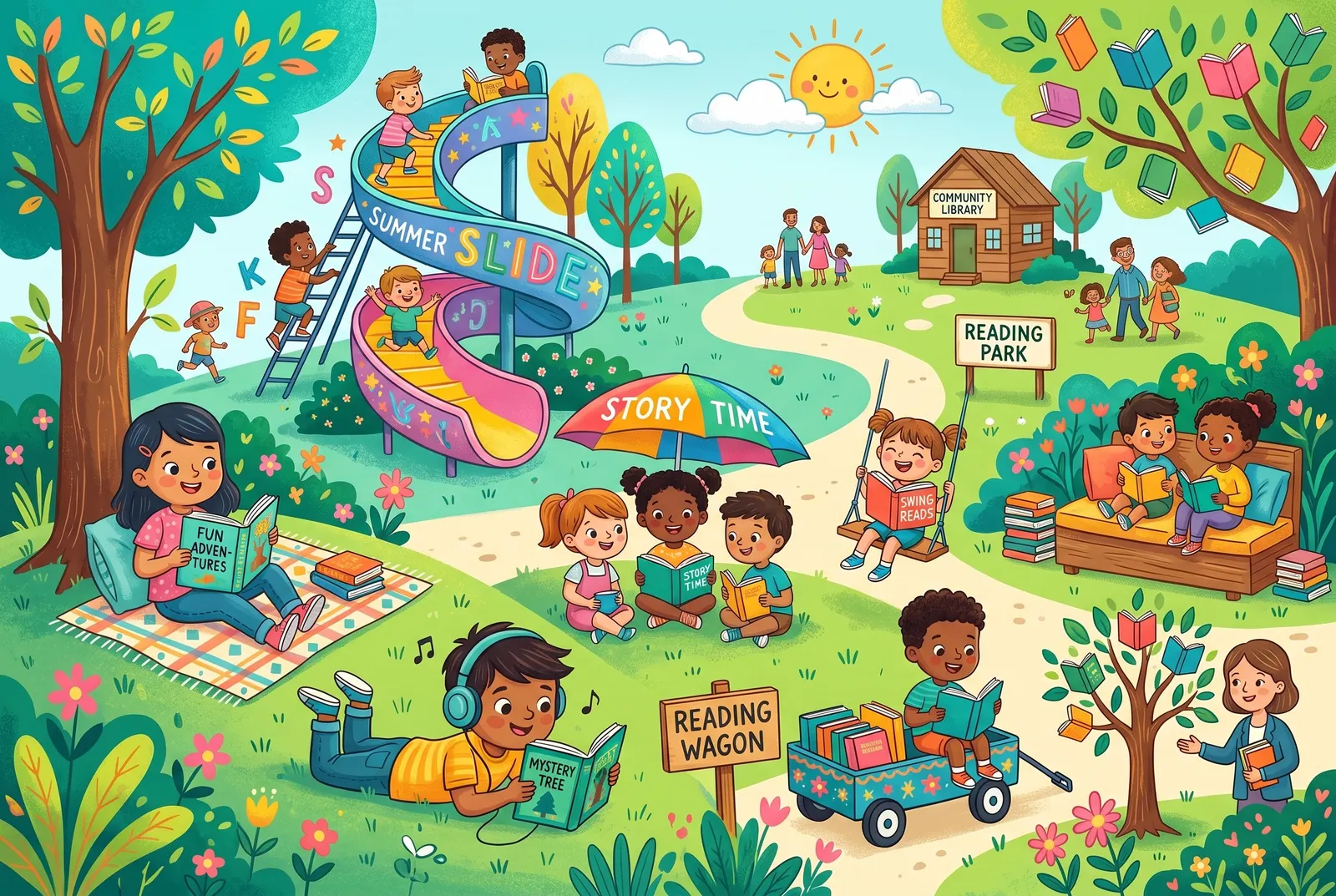
Nat Geo Kids is packed with amazing animal facts, weird-but-true videos, and fun quizzes. It’s a fantastic resource for sparking curiosity about the natural world and can be a great way to prevent summer learning slide with engaging content.
4. Don't Forget Hands-On Learning
Digital resources are great, but kids need to build, create, and get messy. This is where you can get creative and use everyday items for learning.
Kitchen Science
Baking is chemistry. Mixing vinegar and baking soda is a classic experiment for a reason. The kitchen is a natural laboratory for hands-on science.
Art & Creativity
Keep a well-stocked bin of basic art supplies like paper, crayons, glue, and scissors. Let your child's imagination be the guide. The goal is creation, not a perfect, Pinterest-worthy result. A dedicated kids tablet like the Amazon Fire Kids tablet can also be great for digital art apps.
FAQ
H3: Can you really homeschool entirely for free?
Yes, it's absolutely possible, especially for elementary and middle school. It requires more planning and curation on your part, but by using the resources listed here, you can provide a comprehensive and high-quality education without the high cost.
H3: How do I keep my child from getting bored?
Variety is key! Don't rely on just one resource. Mix and match online lessons, printable worksheets, hands-on projects, and real-world outings. Follow your child's interests—if they are suddenly obsessed with dinosaurs, lean into that!
H3: How do I know if my child is learning enough?
Most homeschoolers use a mix of observation, conversation, and project-based work to assess learning. You don't need formal tests. When your child can explain a concept back to you or apply it in a new way, you know they've mastered it. Check your local state guidelines for any specific assessment requirements.